
Electrical safety management plays a vital role in modern property standards. Just as a car needs an MOT, your building’s electrical system needs a structured evaluation to ensure it is safe, functional, and efficient. An EICR Inspection (Electrical Installation Condition Report) forms the foundation of lawful property operation for homeowners, landlords, and business managers alike.
The regulation framework has clear expectations for electrical safety, and this structured certification ensures your property aligns with those rules. Whether it is a cosy flat or a large commercial space in London, having accurate electrical documentation contributes to transparent property assessment and long-term planning. This guide simplifies the process so you can maintain a lawful and safe environment.
Key Takeaways
- A professional electrical assessment confirms the safety status of a building clearly.
- Structured reviews improve your understanding of hidden electrical wear and tear.
- Evaluation by a qualified engineer ensures the report is accurate and reliable.
- The quality of wiring and connections impacts overall safety results strongly.
- Consumer units (fuse boards) influence how well a property handles power surges.
- Proper earthing and bonding protect occupants from accidental electric shocks.
- Detailed documentation supports transparency in rental and business management.
- UK regulations set minimum safety expectations for all types of housing.
- Digital records make it easy to verify your certificate whenever you need it.
- Regular checks support long-term property value and prevent emergency repair costs.
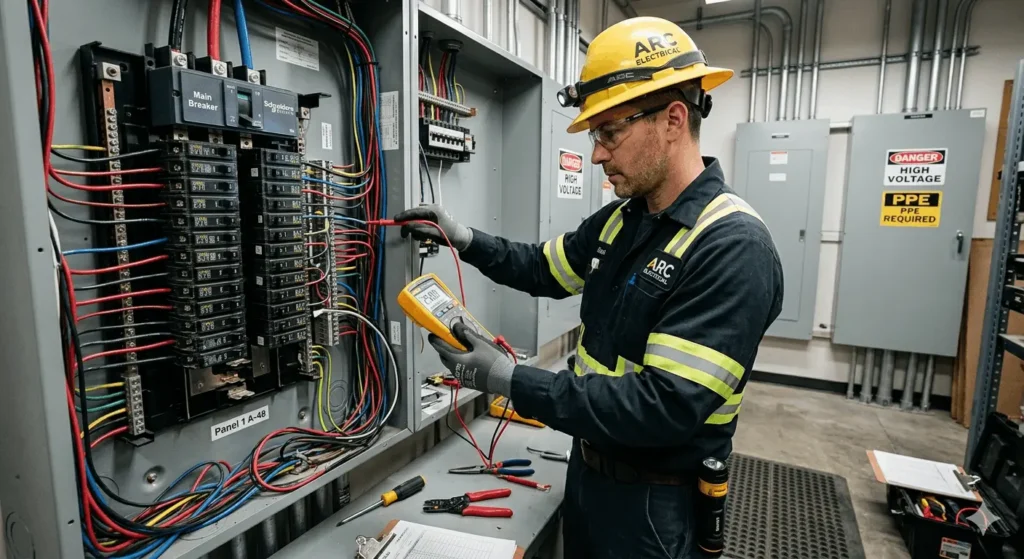
What Exactly is an EICR Inspection?
Electrical documentation provides structured insight into a building’s invisible infrastructure. The assessment framework evaluates the strength of wiring, the efficiency of the fuse board, and the overall safety of all fixed electrical parts.
Importance of Professional Assessment
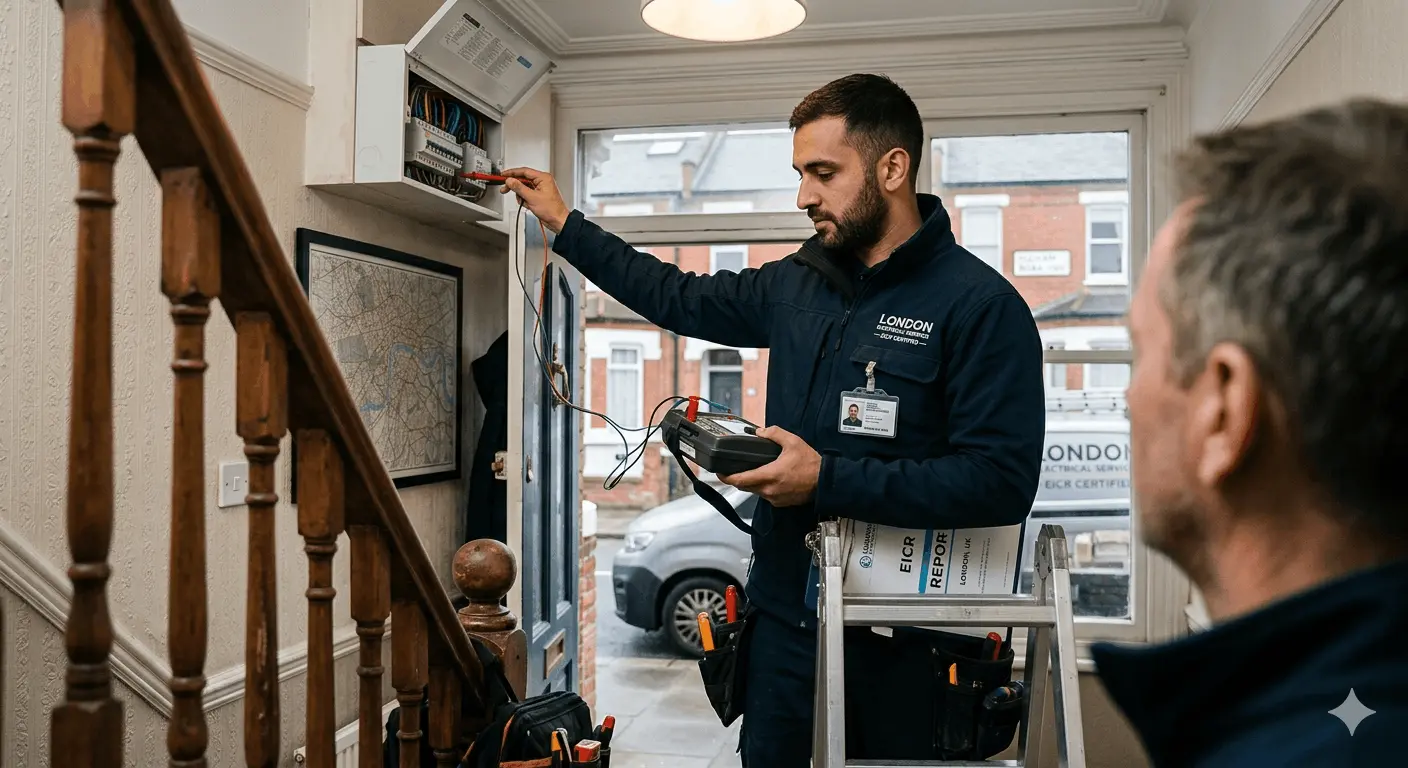
This is not a simple DIY check; it requires a qualified professional to ensure the methods remain consistent with technical guidelines.
Role of the EICR Report
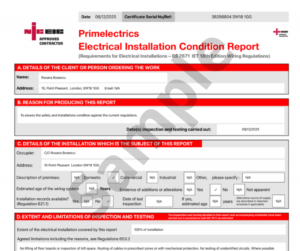
The output of an EICR Inspection is a structured report that assists in safety monitoring and property planning. The resulting certificate helps identify efficiency gaps or dangers within the building’s power systems.
Long-Term Benefits
Reliable data from this check assists in aligning your property with national safety benchmarks, influencing how you plan maintenance for years to come.
Can You Rent or Occupy a Property Without One?
Property operations in London and the rest of the UK depend heavily on electrical certification as part of regulatory housing standards. For landlords, this documentation is a mandatory threshold for lawful occupancy.
Impact on Rental Eligibility
Rental eligibility frameworks rely on valid records to ensure that tenants are protected from electrical hazards.
Risks of Missing Certification
If you lack a valid EICR Inspection record, it can affect your rental readiness and your compliance status with local councils.
Compliance with Regulations
Regulatory frameworks set clear expectations for safety reporting across all residential and commercial assets. Checking your documentation helps verify your status before you make any listing decisions or sign new lease agreements.
How to Understand Your Property’s Safety Rating
Evaluation systems provide a structured look at property safety through standardised codes. These codes reflect the condition of the wiring and components.
Role of UK Regulations
UK regulations govern how these ratings are classified, ensuring that every inspector uses the same yardstick.
Identifying Safety Gaps
An EICR Inspection assists in reviewing the current status of your power system. It supports the identification of performance gaps, such as outdated fuse boxes or a lack of proper earthing.
Supporting Maintenance Planning
Accurate rating assessment contributes to smarter maintenance planning. By using structured measurement protocols, these frameworks ensure consistent tracking across your entire property portfolio.
Fixes That Give Your Safety Score the Biggest Boost
Safety improvement strategies focus on modernising the heart of your electrical system. Structured upgrade planning helps achieve better safety outcomes.
Common Electrical Upgrades
Improvements usually prioritise areas that pose the highest risk of fire or shock. Modernising the consumer unit, replacing old rubber wiring, and ensuring every circuit is properly grounded are key factors.
Long-Term Value of Improvements
These measures support long-term property value and ensure you are always ready for a compliance check.
Monitoring After Upgrades
Monitoring your progress after these upgrades ensures your efforts remain aligned with the latest safety frameworks.
Requirements for Shared Buildings and Large Complexes
Housing structures with multiple occupants, such as HMOs (Houses in Multiple Occupation) or blocks of flats, require a more frequent and structured evaluation.
Importance in Shared Environments
Compliance frameworks have higher expectations for safety in shared living environments because the electrical load is often much greater.
Role in Property Management
Property management systems rely on these certificates to maintain lawful operations in busy London neighbourhoods.
Inspection Coverage in Communal Areas
An EICR Inspection assists in evaluating performance across shared building systems, identifying inefficiencies in communal areas like hallways, lifts, and shared kitchens.
Why Compliance Matters for Commercial Property in London
Investment and business strategies rely heavily on regulatory alignment. For commercial property in London, electrical performance influences insurance validity, asset value, and long-term business continuity.
Role of Commercial EICR
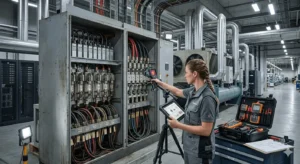
A Commercial EICR plays a central role in maintaining safety across offices, shops, and warehouses.
Avoiding Legal and Financial Risks
Structured compliance frameworks ensure that your business avoids fines and unexpected shutdowns.
Supporting Strategic Decisions
Investment planning relies on this data for strategic management decisions. Checking your certificate assists in identifying opportunities for energy improvement and ensures your workspace is always ready for an official audit.
Final Summary
Electrical safety standards remain central to structured property management across all London portfolios. An EICR Inspection supports a consistent evaluation of building health and compliance status. Structured documentation strengthens transparency and supports lawful occupancy for both residential and commercial assets. These rating systems assist in identifying the unseen gaps that could affect your safety. Regular assessment processes contribute to stable property value and ensure that your building remains a safe place to live and work.