
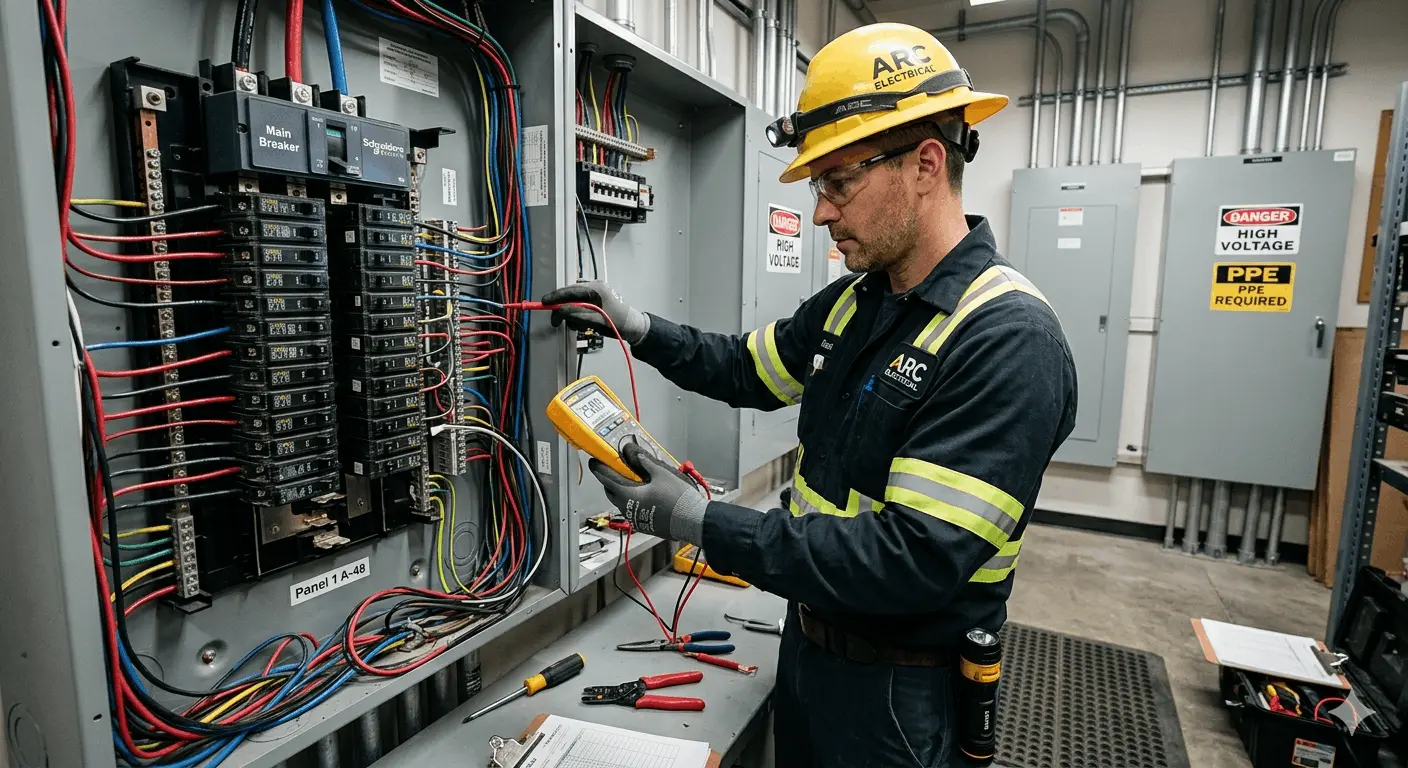
Electricity keeps your lights on, your devices running, and your business moving, but hidden problems in the wiring can create serious risks like shocks or fires. In London, where many properties are older or house multiple users, an Electrical Inspection gives you a clear picture of your fixed electrical systems. This check helps you spot issues early and keep everyone safe.
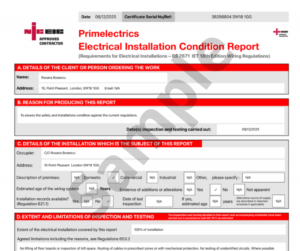
The Electrical Inspection, often called an EICR (Electrical Installation Condition Report), acts like a health check for the permanent wiring, sockets, lights, and fuse boards in your property. It does not cover plug-in appliances. Many landlords, business owners, and managers in the capital rely on this process to stay compliant and avoid expensive surprises. Let us walk through everything you need to know in simple terms.
Why Regular Electrical Inspection Matters for Safety
You notice small warning signs long before bigger electrical troubles appear. Daily use of lights, sockets, and equipment can reveal loose connections, flickering lights, or warm plugs that signal potential danger.
Regular observation allows you to catch faults that weaken protection and increase risks for everyone inside. Staff or tenants who interact with the systems every day often spot subtle changes that a quick look might miss. Documentation from the Electrical Inspection supports clear accountability and helps you plan fixes promptly.
The process supports early detection of failure risks and helps maintain life safety standards across occupied buildings. Maintenance teams rely on organised review methods to confirm that everything meets required performance levels. Records gathered through Electrical Inspection also support compliance reviews and ongoing safety planning. Real-world data shows that neglected electrical issues can lead to faster problems, which highlights the value of prompt identification and timely corrective action.
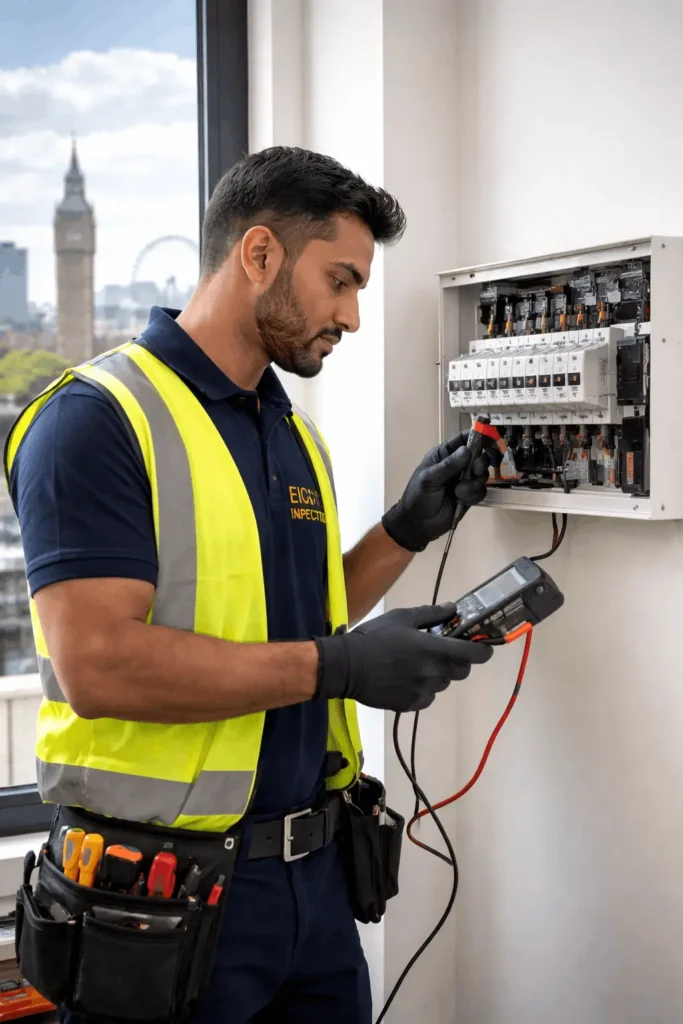
Key Takeaways
- Regulatory systems help keep electrical safety in balance
- Checks highlight performance gaps in wiring and systems
- Older fuse boards or circuits affect overall safety ratings
- Proper earthing and protective devices reduce risk levels
- Formal review systems support upgrade planning needs
- Clear documentation improves compliance verification flow
- Energy and safety frameworks shape property requirements
- System upgrades enhance long-term safety outcomes
- Scheduled assessments support consistent property control
- Qualified evaluation ensures accurate safety reporting
How New Requirements Affect Rental Properties in London
Rental standards continue to shift toward stricter electrical safety expectations. Financial planning and tenancy readiness depend on proper compliance for landlords. Portfolio management relies on accurate outputs from the Electrical Inspection that reflect the true condition of the fixed wiring.
Impact on Property Decisions
Decisions linked to EICR results support improvements in wiring, consumer units, and protective devices across assets. Compliance alignment reduces operational uncertainty and supports structured maintenance scheduling. Rental market positioning improves when safety documentation shows a transparent evaluation.
Market Confidence and Compliance
Regulatory adherence strengthens tenant confidence and improves asset stability. Updated expectations influence investment direction across residential holdings. Structured reporting systems support ongoing compliance tracking and enhance performance visibility across management operations. Consistent evaluation practices maintain regulatory alignment and reduce uncertainty in rental readiness.
Legal Requirement in London
In London, private landlords must arrange an Electrical Inspection at least every five years and provide a copy of the report to tenants within 28 days. Many first reports from 2021 now need renewal in 2026, so demand is high.
How to Get or Renew Your Electrical Inspection Report
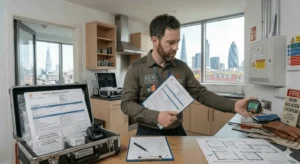
You need a formal assessment under regulated procedures. Booking a qualified electrician ensures accurate evaluation and compliance with current standards. Property evaluation through Electrical Inspection provides structured insight into the condition of your fixed installations.
Inspection and Data Collection
Results from the check support documentation required for rental readiness and compliance records. Verification procedures ensure consistency across assessment reports and regulatory submissions. Data collection methods focus on wiring, circuits, earthing, consumer units, and protective devices like RCDs.
Certification and Validation
Assessment output supports improved planning for any upgrades and compliance alignment strategies. Certification processes rely on standardised evaluation frameworks approved under national guidelines. Administrative review confirms accuracy and supports formal issuance of the report. Structured validation ensures reliability and supports consistent compliance outcomes across property records.
Cost Overview in London
In London, costs vary by property size. A small flat might start from around £120–£200, while larger homes or commercial spaces cost more. Always choose a competent, registered professional for reliable results.
Consumer Units and Protective Devices and Their Impact on Reports
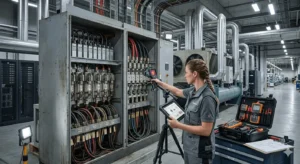
The consumer unit (fuse board) plays a major role in electrical safety assessments. System performance evaluation under current rules covers distribution boards, circuit breakers, and residual current devices.
Safety Evaluation and Findings
Input from a qualified electrician supports an accurate review of how well these elements protect against faults. Analysis through Electrical Inspection highlights inefficiencies or dangers within circuits and consumption patterns. Insights assist in identifying upgrades required for improved safety.
Common Issues and Improvements
Older fuse boards without modern RCD protection often lower the overall condition rating. Operational checks improve protection and reduce unnecessary risks. Maintenance planning aligns with regulatory expectations and supports consistent safety improvements. Monitoring frameworks ensure structured evaluation across systems in residential and commercial portfolios. Performance tracking strengthens alignment and supports compliance readiness across multiple assets.
Smart Upgrades That Improve Electrical Safety Scores
Modern property upgrades focus on safety enhancement across electrical systems. Improvement strategies aligned with compliance support structured planning. Implementation of the Electrical Inspection supports the identification of areas needing attention.
Key Improvements
Outcomes guide decisions on wiring upgrades, better consumer units, additional RCDs, and improved lighting circuits. Smart systems integration improves monitoring of usage patterns and reduces risks from overloads. Automation tools enhance control and optimise distribution across spaces.
Long-Term Benefits
Energy-efficient solutions contribute to better outcomes and reduced demand on older wiring. Upgraded materials support safer performance and improve overall stability. Digital controls enable consistent management of electrical loads. Continuous monitoring systems support better safety outcomes and align with regulatory expectations across property portfolios.
Rental Eligibility with Unsatisfactory Electrical Inspection Results
Rental eligibility depends on compliance status and electrical condition. Regulatory interpretation sets minimum standards for property approval. Assessment through Electrical Inspection identifies gaps that affect suitability.
Required Improvements
Outcomes guide improvement priorities for meeting safety benchmarks. Market access may face influence from report ratings and documentation quality. Property upgrades often become necessary to reach required thresholds.
Legal Deadlines
Documentation accuracy supports rental approval processes across regulated systems. Compliance review improves transparency and supports structured decision-making for asset management. Portfolio stability improves when safety standards stay consistently maintained. Structured evaluation ensures alignment with performance expectations and reduces operational uncertainty across rental frameworks.
In London, you must address serious issues (coded C1 or C2) promptly, usually within 28 days, before renting out the property.
Landlord and Business Owner Responsibilities Under Current UK Rules
Landlord and owner obligations under electrical safety standards require structured compliance management across assets. The legal framework sets responsibilities for maintaining safe installations. Assessment involvement from a qualified person ensures accurate evaluation and regulatory alignment.
Role of Electrical Inspection
Structured Electrical Inspection supports the identification of compliance gaps across property portfolios, including shared buildings and commercial spaces. Safety standards influence ongoing maintenance and upgrade planning decisions. Monitoring frameworks support alignment with legal obligations and operational consistency.
Ongoing Monitoring and Documentation
Structured reporting enhances compliance clarity and supports consistent performance evaluation across managed properties. Safety tracking improves operational oversight and ensures alignment with regulatory expectations. Compliance documentation frameworks support accuracy and transparency in assessment reporting systems. Ongoing review cycles keep everything on track.
Commercial Property Rules
For commercial properties in London, the Electricity at Work Regulations 1989 place duties on employers and landlords to keep systems safe. Industry guidance often recommends checks every 3–5 years, depending on the type of business and risk level. In shared or multi-let buildings, landlords typically handle common areas while coordinating with tenants.
Conclusion
Strong electrical safety performance depends on paying close attention to all elements through regular maintenance and checks. Obvious warning signs usually appear early, but ignored issues can turn small problems into real dangers. Consistent reviews help confirm that protective systems stay effective when they matter most.
Documented records support accountability and show responsible management. The Electrical Inspection and resulting EICR report play a key role in spotting weaknesses before safety gets compromised. Real impact comes from informed assessments, accurate details, and timely corrective steps.
Long-Term Safety and Compliance
Ongoing attention also helps meet broader responsibilities and builds stronger safety strategies. This process reinforces confidence that your property, whether a home, shared building, or commercial space in London, will perform safely under normal use. Links to qualified testing, safety standards, and regular assessments provide further assurance of protection and long-term compliance. This approach keeps safety effective and creates a safer environment for all residents, tenants, staff, and visitors.