
Electricity powers almost every part of our daily life in a city like London. Reliable and safe power systems are a must for homes, offices, shops, and public buildings. However, power systems can become very dangerous if no one checks them often. Broken wires, full circuits, or old tools can cause shocks, fires, or expensive damage. Doing a deep electrical inspection is the best way to protect your building and the people inside. It also gives you a calm mind.
This guide covers everything you need to know about an electrical inspection. It explains why it matters and who needs to get one. It also shows how experts perform this task in London.
What is an Electrical Inspection?
An electrical inspection is a professional check of every power part in a building. This includes the wires, the plugs, the wall sockets, and the lights. It also covers the circuit breakers and every other system that uses power. The goal of the check is to find risks and stop accidents. It also makes sure the system follows the official safety rules.
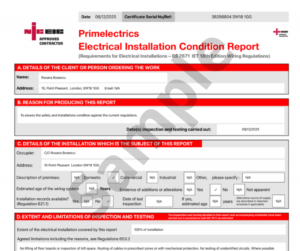
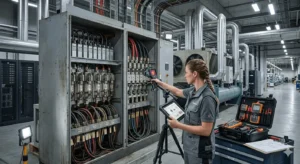
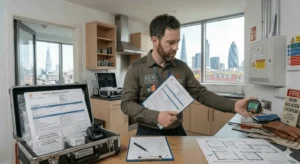
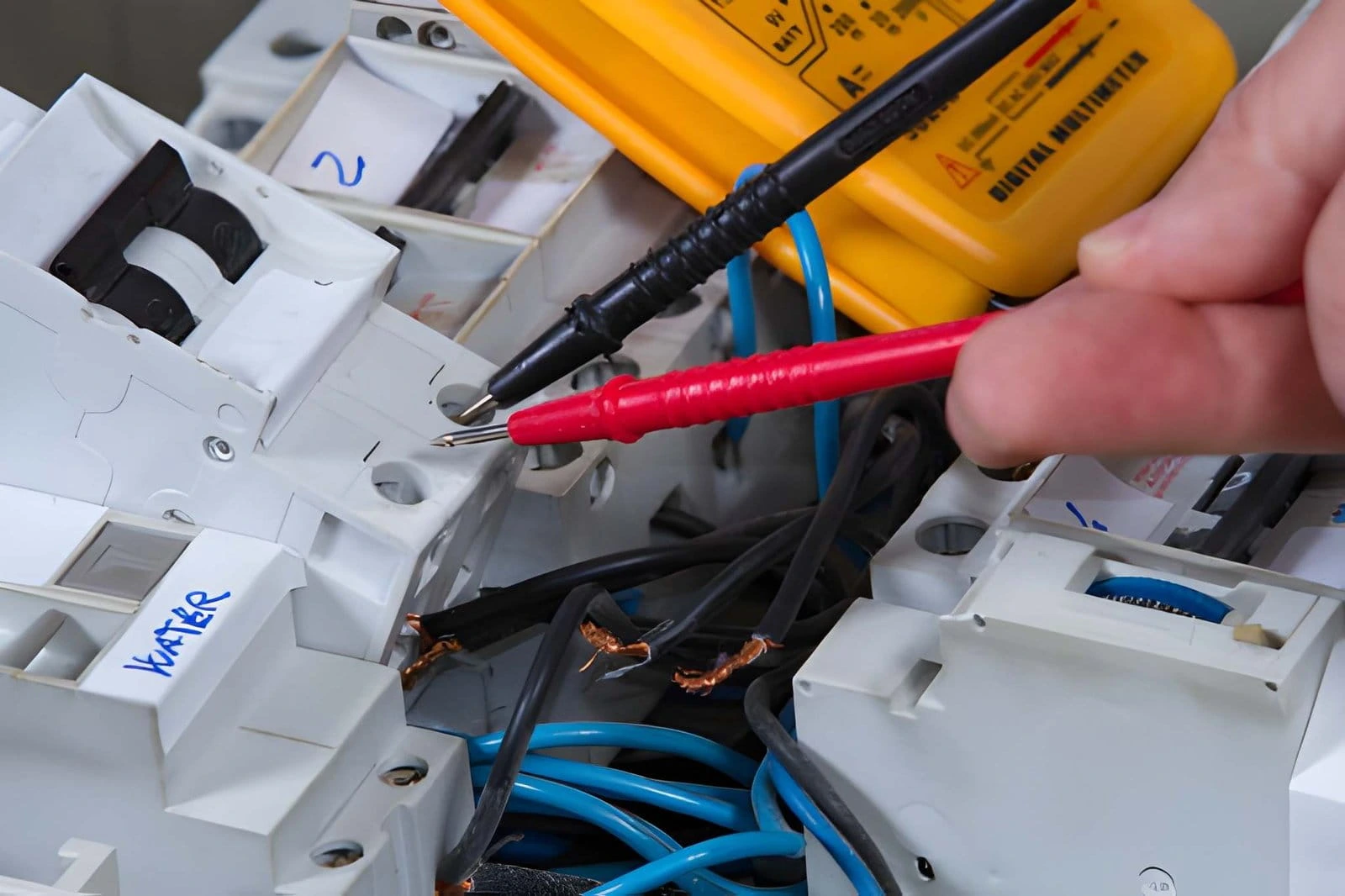
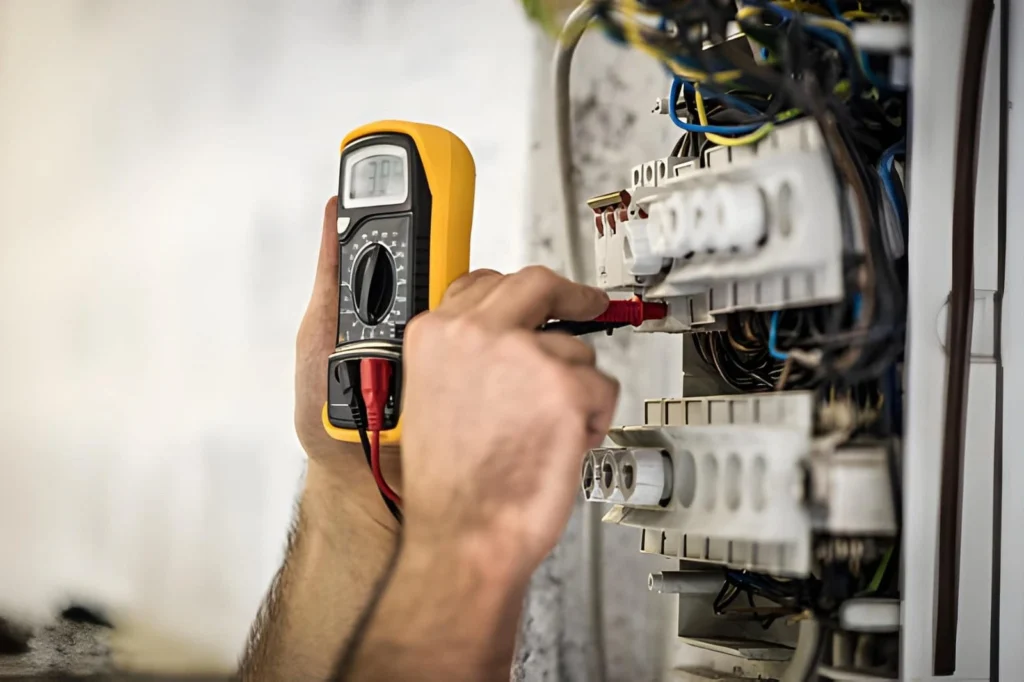
Certified electricians perform these checks using special tools. They use these tools to measure the power and find faults. This ensures all systems are safe to use. After the work is done, the expert gives you a deep report. This paper shows any issues that need a fix. It also gives tips for looking after the system or buying new parts.
Why Electrical Inspection is Crucial
Keeping power safe in London buildings requires regular checks for many reasons. First, it protects lives and property. Broken wires or damaged tools can cause shocks or fires. An electrical inspection finds these risks before they turn into an emergency. Finding a problem early can save lives and stop your home from getting damaged.
Second, it ensures you follow the law. Landlords and shop owners in London must follow strict safety rules. A professional check proves the building meets these rules. This reduces your trouble if an accident ever happens. Third, it stops damage to your tools. Power faults can break your computer, your fridge, or your heater. A check finds full circuits or old wires. This helps you avoid spending money on new machines. Finally, it meets insurance rules. Many companies want to see proof of a regular check. A valid report makes it easier to get help if you have a fire or a power accident.
Who Needs an Electrical Inspection?
Almost every building that uses power can gain from an electrical inspection. Homeowners need one to keep their family safe and stop accidents. Landlords must have them to follow the law and keep rental homes safe. Business owners who run offices, shops, or warehouses need checks to protect their staff and customers. People who are buying or selling a house use checks to prove that the system meets the rules. If a building has power, an inspection is a smart move to lower the risk.
Steps Involved in an Electrical Inspection
A professional electrical inspection follows a clear path to be very thorough. The first step is a visual check. The electrician looks at the parts they can see, like sockets and switches. They look for signs of damage or heat. They write down any loose screws or torn wires as a big risk.
The second step is testing the circuits. The expert uses special tools to test how power moves through the wires. This ensures the current flows safely without getting too hot. It also proves that fuses and breakers work the right way. The third step is checking the fuse box and the panel. This box is the heart of the power system. Experts make sure every breaker can turn off the power fast in an emergency. They tell you if any part is too old and needs to be changed.
The fourth step is finding hidden dangers. Wires behind walls or ceilings can be scary if no one looks at them. The expert uses smart tools to find problems you cannot see with your eyes. The final step is giving the report and advice. This paper lists the risks and how bad they are. It uses words like “urgent” or “suggested” to help the owner take the right action.
Common Issues Found During Electrical Inspections
Experts often find the same types of problems during a typical electrical inspection. They frequently see torn or broken wires that can cause a shock or a fire. They also find too many things plugged into one socket or power strip. Many buildings have fuse boxes or breakers that are too old and do not meet the new safety rules. Experts also find poor earthing, which makes power faults more likely. Loose screws in switches or plugs are another common find. Fixing these things fast makes the system safe and follows the law.
How Often Should Electrical Inspections Be Conducted?
How often you need an electrical inspection depends on the building and how you use it. For private homes, a check every 10 years is a good idea. You should do it sooner if you notice a problem. Rental homes must have a check at least every 5 years because the law says so. Offices and shops usually need a check every 3 to 5 years. Places with more risk, like factories or hospitals, may need checks even more often. Regular checks find new hazards fast and keep the system working well.
Preparing for an Electrical Inspection
Good planning makes the check move fast and stay simple. First, you must make sure the expert can reach every part of the system. This includes the sockets, the panels, and the hidden wires. Second, have your old safety papers or records ready to show. Third, clear the area around the power panels and plugs. Remove any boxes or furniture that gets in the way. Finally, tell the people in the building when the expert is coming. Ready buildings usually get a faster and more correct report.
Benefits of Electrical Inspection
A deep electrical inspection gives you many wins. It makes the building much safer by lowering the risk of fire and shock. it also proves you follow the rules of the city. You save money because you find tiny faults before they turn into big, expensive repairs. Most of all, you get peace of mind. You know the power system is safe and reliable for everyone inside. Regular checks stop emergencies and keep your building worth a lot of money.
Choosing the Right Electrician
Picking a smart expert is vital for a good electrical inspection. You should look for someone with the right training and papers. They should have practised with buildings in London. You should also read what other people say about them in reviews. Make sure they give you a report that is easy to read and has clear tips. A skilled electrician ensures the check is deep and that you can trust the results.
Conclusion
Power systems are the backbone of our lives, especially in a busy city like London. A professional electrical inspection ensures these systems are safe and follow the law. By finding dangers early and giving good solutions, these checks stop accidents and protect lives. Whether you own a home, a rental house, or a shop, putting safety first is a smart choice. You should always prioritise regular checks to keep your building and your people safe.