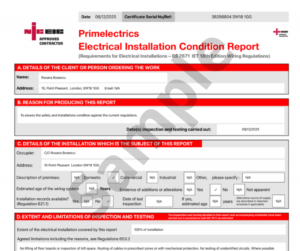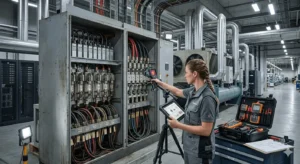


The foundation of property safety management in the UK is an Electrical Compliance Certificate, often known as an EICR or Electrical Installation Condition Report. Formal confirmation in this document is given that a competent electrical engineer has carefully reviewed the wiring, fuse boards, and electrical components of a house. For property owners and managers, possessing a current Electrical Compliance Certificate is not just a box-ticking activity; it is the main tool to establish that an asset satisfies the national safety requirements stipulated by law.
This certification plays more than merely an inspection evidence. Allowing proactive rather than reactive management, it serves as an organised maintenance log noting the state of your electrical infrastructure over time. You show responsibility, conserve your asset’s value, and reduce the chance of regulatory fines by matching your property management with these official reports.
Key Takeaways
- Legal Assurance: Supplies the formal papers needed to demonstrate conformance with the Electrical Safety Standards in the Private Rented Sector (England) Regulations 2020.
- Risk Reduction: Finds C1 and C2 hazards before they cause pricey lawsuits, fire, or damage.
- Audit Readiness: Produces a traceable safety record required for local council reviews and insurance claims.
- Asset Protection: Regular inspections extend the operational lifetime of your building’s infrastructure by preventing long-term damage to fuse boxes and wiring.
- Shows a commitment to safety that enhances tenant relations and occupancy stability.
- Maintenance Planning: Plans capital expenditure and upgrades systematically based on results, including C3 improvements.
The Certification Pathway to Operational Safety
A formal Electrical Compliance Certificate defines the scope of safety oversight across your portfolio. It confirms that an authorised engineer has evaluated the system against the BS 7671 (the “Wiring Regulations”). This certification process acts as a gatekeeper against unsafe practices; it effectively prevents the use of subpar materials or non-compliant DIY electrical work. By enforcing a certification culture, you ensure that every circuit and outlet within your managed properties adheres to the current national standard. A structured Electrical Compliance Certificate pathway provides you with the data needed to enforce high maintenance standards across diverse residential or commercial portfolios.
Integrating Electrical Compliance into Your Workflow
Effective electrical compliance demands the incorporation of inspection data into your regular property management, not just getting a paper certificate. You have to regard your Electrical Compliance Certificate as a management tool rather than a final product.
For property managers, this means:
- Prioritisation: Sorting all observations by their safety classification code.
- Remediation: Scheduling repairs for all “Unsatisfactory” (C1/C2) codes within the mandated 28-day window.
- Documentation: Storing both the initial Electrical Compliance Certificate and subsequent “Remedial Works Certificates” in a central, audit-ready file.
- Planning: Using “C3” (Improvement Recommended) items to draft your maintenance budgets for the next 12 to 24 months.
Regulatory Alignment and Accountability
Regulatory bodies view the Electrical Compliance Certificate as the definitive evidence of your compliance. This certificate is the first document authorities ask for in case of a disagreement, an inspection, or a safety audit. You, the property owner, carry the burden of evidence if your documentation is inadequate or missing to demonstrate the system’s safety. Keep an uninterrupted, valid certification chain to stay on the correct side of the law and avoid the serious financial and reputational dangers connected with non-compliance. By matching your operational practices with these certification demands, you help to build a safety culture that runs across your whole company.
Understanding Your EICR Obligations
Unsatisfactory results on your Electrical Compliance Certificate mean your electrical system has failed the safety inspection and needs quick attention. According to current laws, you are legally required to finish the necessary remedial work within 28 days and give your tenants written evidence of this. It should be underlined that this inspection is not a one-off affair; private landlords in England must make sure their electrical systems are examined at least every five years, or more often if the engineer’s report specifies a shorter period.
Additionally, landlords should differentiate PAT testing from an EICR. A fixed electrical installation, such as wiring, sockets, and fuse boards, is the only focus of an Electrical Compliance Certificate; portable devices like kettles or toasters are not included. Guaranteeing the safety of these appliances calls for a distinct PAT (Portable Appliance Testing) process to fully satisfy your landlord safety obligations.
Conclusion
The Electrical Compliance Certificate is the most significant indicator of a property’s safety status and your own compliance maturity. It converts the usually concealed hazards of electrical systems into verifiable, practical information. You guarantee your buildings are safeguarded from fire dangers, your renters are protected, and your company is completely ready for any regulatory inspection by giving these certifications top priority. Professional and responsible property management distinguishes itself by its proactive attitude, whereby certification marks the beginning of a maintenance cycle rather than the conclusion.