
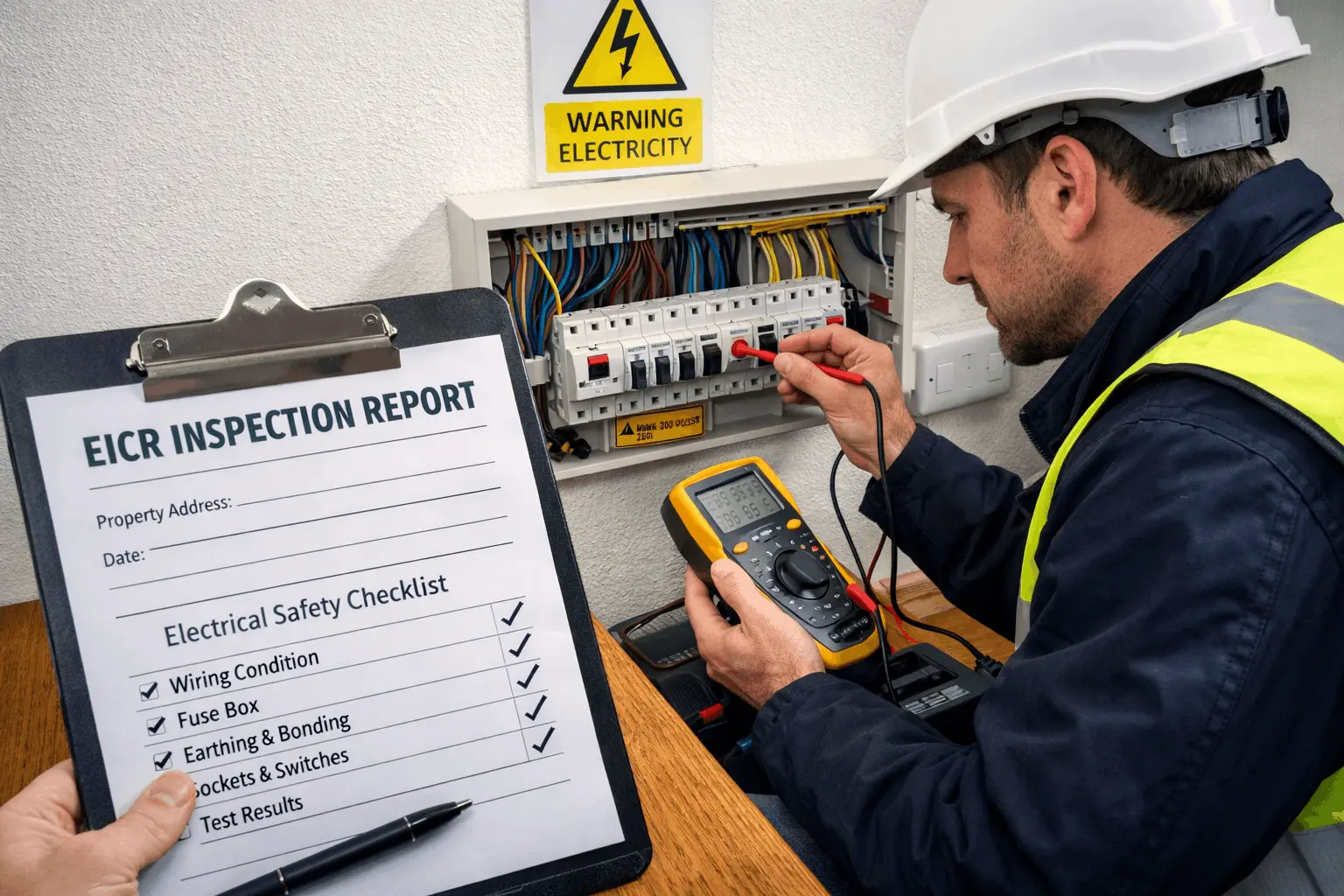
If you recently had a power check at your home, you might have received an EICR report. Looking at the technical words and strange codes can feel very confusing. You are not alone in this feeling. Many homeowners and landlords find these papers hard to read at first. This guide breaks everything down into very simple words. By the end, you will know exactly what your EICR report means and what steps you should take next.
What is an EICR Report?
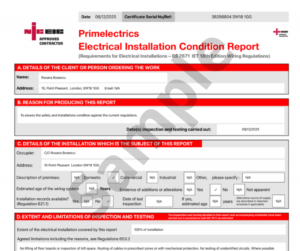
An EICR report is a short name for an Electrical Installation Condition Report. It is an official paper that shows the health of the power system in your building. A trained expert writes this report after they finish a deep check of your wires and plugs. The main goal is to see if your power system is safe. It also helps find any problems that need a fix. The report looks at the hidden wires, the wall plugs, the switches, and the main fuse board. It tells you if your home is safe to live in or if you need to make it better.
Why is an EICR Report Important?
An EICR report is much more than just a piece of paper. It plays a very big role in keeping people safe. Faults in the power system can lead to painful shocks or even dangerous fires. This is why regular checks are a vital task. The report helps prevent accidents by finding broken wires early. It identifies problems before they turn into a scary emergency. Knowing your system is healthy gives you a calm and happy mind. In the UK, landlords must have these reports by law to prove their rental homes are safe for tenants.
What Does an EICR Report Look Like?
At first, an EICR report might look like it has too much information. It usually has several sections to help organise the facts. It starts with details about the building and the person who did the check. Then, it gives a summary of the whole inspection. The most important part for you is the section with observations and codes. This is where the expert writes down what they saw. Finally, the report shows a result. It will say if your home is “satisfactory” or “unsatisfactory.”
Understanding EICR Codes
C1 Code – Danger Present
The coding system is often the most confusing part of an EICR report. These short codes tell you how serious a problem is. You must learn what they mean to stay safe. A C1 code means “Danger Present.” This is the most serious warning. It means there is a big risk right now, such as a live wire that is showing. You must fix this immediately.
C2 Code – Potentially Dangerous
A C2 code means “Potentially Dangerous.” This shows a risk that could become very bad if you do not fix it soon. Faulty wiring or a missing safety wire are good examples of a C2. You should repair these as soon as you can to avoid future trouble.
C3 Code – Improvement Recommended
A C3 code means “Improvement Recommended.” This is not a danger, but the expert thinks you could make things better or newer.
FI Code – Further Investigation Required
Finally, an FI code means “Further Investigation Required.” This means the expert found something strange that needs a second look. You should not ignore an FI code.
What Does “Satisfactory” or “Unsatisfactory” Mean?
At the end of your EICR report, you will see a final result. If the report says Satisfactory, it means your power system is safe to use. You might still have small C3 tips to follow, but nothing is dangerous. If the report says Unsatisfactory, it means the expert found serious issues like C1 or C2 codes. This means your home is not safe until you fix those problems. If you get an unsatisfactory result, you must hire an expert to do the repairs and then check the system again.
Common Issues Found in EICR Reports
Many buildings, especially old ones in London, have the same kinds of problems. Experts often find wires that are too old or damaged. They see wall sockets that have too many things plugged into them at once. Sometimes the fuse board is outdated and cannot stop a fire quickly. A lack of safety wires to the ground is also a common find. These issues are not strange, but you must fix them to keep your building safe and healthy.
What Should You Do After Receiving Your Report?
Once you have your EICR report in your hands, you should follow a few simple steps. First, read the summary right away. This tells you the big answer: is the home safe or not? Second, check the codes in the observation section. Look for any C1 or C2 marks because they need fast action. Third, contact a trained electrician to fix any problems the report mentions.
Fourth, keep your records in a safe spot. You might need to show this paper to an insurance company or a lawyer later. Finally, plan for the next check. Most rental homes need a new EICR report every 5 years. Setting a date now ensures you do not forget to stay safe in the future.
Tips to Make Your EICR Easier to Understand
If the report still feels like a puzzle, there are ways to make it easier. You can ask the electrician to explain what they found using very simple words. Try to focus on the codes rather than the long technical names of the parts. You can also take notes while the expert talks to you. Never ignore a tip in the report, even if it seems small. Understanding your report does not mean you have to be an expert. You just need to know the basic signs of danger.
Benefits of Understanding Your EICR Report
When you know how to read your EICR report, you get many wins. You can act fast on serious dangers before anyone gets hurt. You also avoid spending money on fixes that you do not really need. It ensures your property stays safe and follows the laws of the city. Most of all, knowledge gives you control over the safety of your home. You can feel confident that you are doing the right thing for your family or your tenants.
Conclusion
An EICR electrical report might seem hard to read at first, but it is simple once you know the basics. By learning the codes and checking the final result, you can keep your building safe. You do not need to be a professional to understand the main points. With a little bit of knowledge, you can make smart choices and protect your home. Electrical safety is a job you should never ignore. A clear understanding of your report helps you stay safe, lower your risks, and maintain a happy home for everyone.