

Safety regarding electricity is a topic that no person should ever ignore. Whether it is a private house, a busy office, or a rental building, broken power systems can lead to very big risks. These include painful electric shocks or even dangerous fires. This is exactly why an EICR is so important for every property.
What is an EICR?
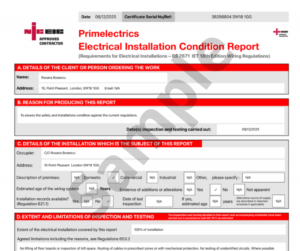
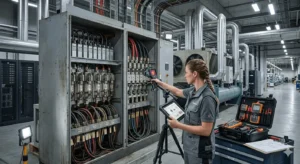
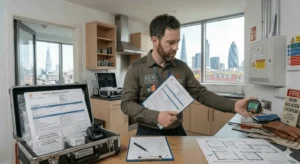
An Electrical Installation Condition Report (EICR) is a very deep check of the power system in a building. It helps an expert find faults, parts that are wearing out, and anything that might become a hazard. To perform an EICR the right way, you must have the correct tools ready. This guide explains the most important tools you need in very simple and clear words.
Importance Of EICR Certificate
An EICR is an official paper created after an expert looks at and tests the power parts in a building. It checks if the wires, the wall plugs, and the fuse boards are all safe to use. The goal is very simple to understand. The expert wants to find any power faults and make sure everything stays safe for people. They also suggest fixes if they find a problem. To do this work, electricians use a set of special tools to measure and confirm that the building is safe.
Why Are the Right Tools Important?
You might think that just looking at the wires with your eyes is enough, but that is not true. Many power problems stay hidden behind walls or inside covers. You can only find them if you use the right testing machines. Using the correct tools helps an expert find these hidden faults. It ensures that the results are very correct and improves safety while they work. Good tools also save a lot of time and hard work. Without these proper tools, an EICR would not be a report that you could truly trust.
Essential Tools You Need for an EICR
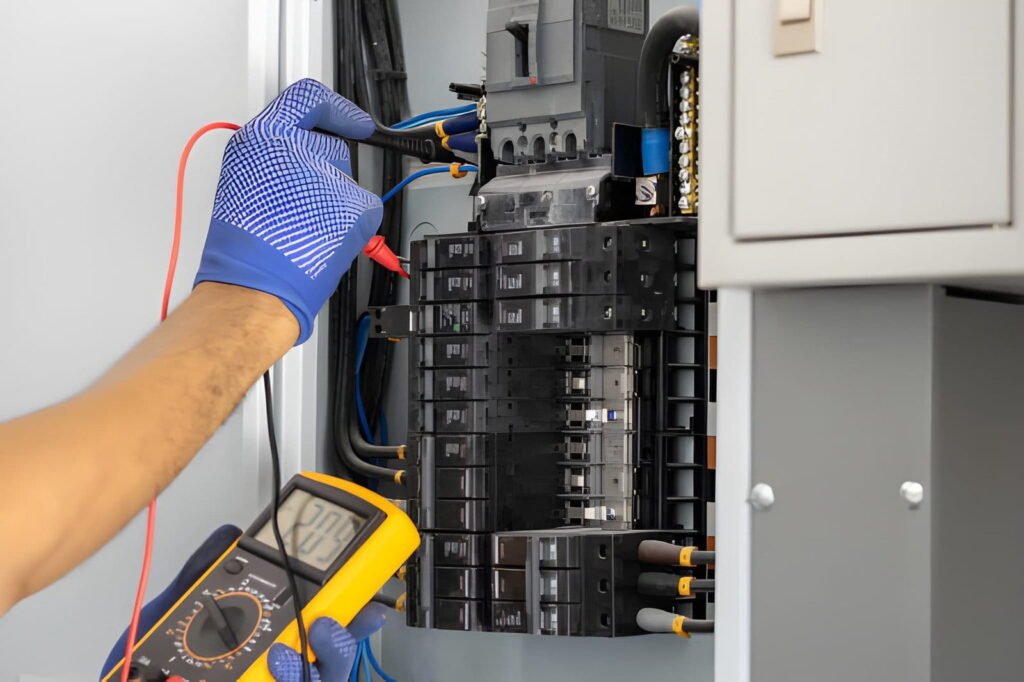
Let us look at the most important tools used during an EICR and see how they help. The first is a multifunction tester. This is one of the most vital tools for the job. It puts many different testing jobs into one single device. An expert uses it to test how well the covers on wires work. They also use it to check if the path for electricity is clear and to measure the safety of the ground connection. This tool helps an expert do many tests fast and with great care. It is a tool that every inspector must have.
Insulation Resistance Tester
The second tool is an insulation resistance tester. This machine checks the health of the plastic covers on the wires. Over many years, these covers can break or get weak. This makes the risk of a shock or a fire much higher. This tool helps to find wires that are hurt and finds power that is leaking out. It ensures that all the paths for power have a strong cover. It is very helpful for old houses where the wires might be getting very weak.
Socket Testers and Voltage Testers
The third tool is a socket tester. This is a small tool that is very helpful. You plug it into a wall socket to see if the wires behind it are put in the right way. It can quickly show if the wires are mixed up or if a safety wire is missing. This tool is very easy to use and answers right away. It is perfect for doing a fast check of every room in the building.
Voltage Tester
The fourth tool is a voltage tester. An expert uses this to see if a wire has power moving through it or if it is “dead.” This is very important for staying safe before anyone touches a wire. It helps find live wires and prevents a person from getting an electric shock. It ensures that the person can work in a safe way. Usually, an expert uses this tool right at the start of the check.
Continuity Testers and Clamp Meters
The fifth tool is a continuity tester. This tool checks if a path for power is complete from one end to the other. If a wire has a break in the middle, the power cannot move the way it should. This tool helps find broken wires and checks that all the connections are tight. It is a must for making sure the whole wiring system works as people expect it to.
Clamp Meter
The sixth tool is a clamp meter. This tool measures how much power is moving through a wire without needing to cut or move anything. It is very safe and easy to use. It helps an expert see if a circuit has too much power moving through it. This is called an overload. It also finds any strange power activity that should not be happening. This tool is great for seeing how much electricity a building is using at one time.
Loop Impedance and RCD Testers
The seventh tool is an earth fault loop impedance tester. This tool checks how well the safety wire to the ground works if a problem happens. A strong path to the ground is very important for keeping people safe. It measures the path to make sure the power can turn off fast if there is a fault. This lowers the chance of a person getting hurt by electricity. This test is a very big part of every EICR.
RCD Tester
The eighth tool is an RCD tester. An RCD is a special safety switch that protects people from shocks. It turns the power off very fast if it feels a mistake. An RCD tester checks if this switch is working the right way. It measures how fast the switch can jump and turn off the power. A broken safety switch can be very dangerous, so this test is a very high priority.
Leads, Probes, and Protective Gear
The ninth set of tools includes test leads and probes. You use these with almost every other testing machine. They act like long arms that connect the machine to the power wires. Good leads help get the right numbers on the screen and keep the worker safe. They might look simple, but they are a very big part of the work.
Personal Protective Equipment (PPE)
The tenth thing you need is Personal Protective Equipment (PPE). Safety should always be the first thing you think about. Protective gear is just as important as the testing tools. Common gear includes special gloves that stop power, safety glasses for the eyes, and strong boots for the feet. These items protect the expert from dangers while they work on the power system.
Additional Helpful Tools
Apart from the main machines, some extra tools can make the check much easier. A torch is very helpful for seeing into dark corners or behind big boxes. Screwdrivers are needed to open the covers of the power boards and the wall plugs. Labels and markers help the expert name each path for the power. A notebook or a tablet is used to write down what the expert finds. These extra tools help the work move faster and help the expert stay organised.
Tips for Using EICR Tools Safely
Having the best tools is good, but using them in a safe way is even more important. You should always look at your tools before you start to make sure they are not broken. Never use a machine that has a crack or a torn wire. Follow the right steps for every test you do. Turn off the main power when the rules say you must. Wear your safety gear at all times. Being safe must be the most important part of any power check.
Conclusion
Doing an EICR needs more than just knowing how power works. It also needs the right set of tools. From big testing machines to simple wall plug testers, every tool has a big job. They find power faults and make sure every person stays safe. By using the right gear, an expert can find hidden problems and write a report you can trust. This keeps buildings safe from fires and shocks.
Whether you are an expert or just a person learning about the check, knowing these tools helps you see how important safety is. A check done with good tools leads to better results. It makes buildings safer and gives every person a calm mind. Using the right tools is the best way to protect a building and everyone inside it. Book your EICR now!