
Key Takeaways
Routine inspections support a safer occupation across London properties
Documented reports strengthen legal and regulatory compliance
Early fault detection reduces the risk of electrical incidents
Older buildings require closer monitoring due to ageing systems
Planned inspection cycles improve long-term property management
Electrical Hazards Commonly Revealed Through EICR London Assessments
Electrical hazards identified during inspections often reflect long-term wear rather than sudden failure. Many London properties still contain wiring systems installed decades ago, designed for lower electrical loads than modern living demands. EICR London assessments frequently uncover deteriorated insulation, overloaded ring circuits, loose connections, and outdated consumer units lacking modern protective devices. These issues can remain unnoticed during routine use but pose serious risks when demand increases or faults escalate. In rental properties, repeated tenant turnover can also contribute to damage, particularly where sockets and accessories receive heavy use. Informal or uncertified alterations made by previous occupants further increase exposure to risk. An EICR London inspection applies structured testing methods to reveal these hidden problems, allowing owners to prioritise corrective action. Addressing hazards early prevents escalation into electrical fires, system failures, or injury. Over time, repeated assessments also highlight recurring patterns, helping owners plan targeted upgrades that strengthen safety across the entire installation.
Regulatory Duties and Compliance Expectations in London
Electrical safety regulations impose clear responsibilities on landlords and property managers. These rules require that fixed electrical installations remain safe and are inspected at defined intervals by qualified professionals. EICR London documentation acts as evidence that these duties have been fulfilled. Local authorities may request inspection records during licence renewals, enforcement investigations, or in response to tenant complaints. For properties operating as Houses in Multiple Occupation, compliance expectations are higher due to increased occupancy density and shared facilities. Failure to provide a valid EICR London report can result in enforcement notices, financial penalties, or restrictions on property use. Understanding regulatory requirements allows owners to plan inspections proactively rather than reacting to deadlines. A structured compliance strategy reduces administrative pressure and supports smoother property management. When responsibilities are clearly understood and inspection cycles are maintained, owners protect both occupants and their own legal position.
Interpreting the Structure and Findings of an EICR London Report
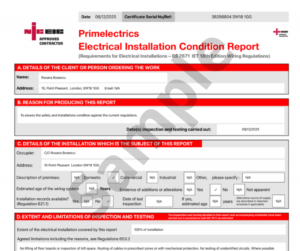
An inspection produces a detailed report that translates technical testing into actionable guidance. An EICR London report outlines supply characteristics, earthing arrangements, circuit details, and recorded test results. Observations are categorised using recognised codes that indicate the severity of each issue and the urgency of remedial work. This structured format allows owners and contractors to prioritise repairs efficiently. Digital reporting has improved accessibility by enabling secure storage and easy sharing of records with agents, insurers, and authorities. Over time, archived EICR London reports create a clear safety history, supporting trend analysis and long-term planning. Accurate interpretation of findings ensures that corrective action addresses root causes rather than temporary symptoms. A well-maintained reporting system transforms inspections from a compliance exercise into a valuable management tool that supports informed decision-making.
Preparing Residential Properties for an EICR London Inspection
Effective preparation improves both the efficiency and accuracy of inspections. Clear access to consumer units, distribution boards, and fixed electrical points allows inspectors to complete testing without obstruction. EICR London inspections may involve temporary power interruptions, making coordination with occupants essential. Removing obstacles around sockets and switches reduces delays and minimises the need for return visits. Providing records of previous work also assists inspectors in understanding system history and identifying potential risk areas. Properties that prepare thoroughly often receive more comprehensive assessments and faster report delivery. Preparation demonstrates professionalism and supports productive collaboration between owners and electrical specialists. By planning inspections carefully, landlords reduce disruption while maximising the value of the EICR London process.
Managing Remedial Work After an EICR London Inspection
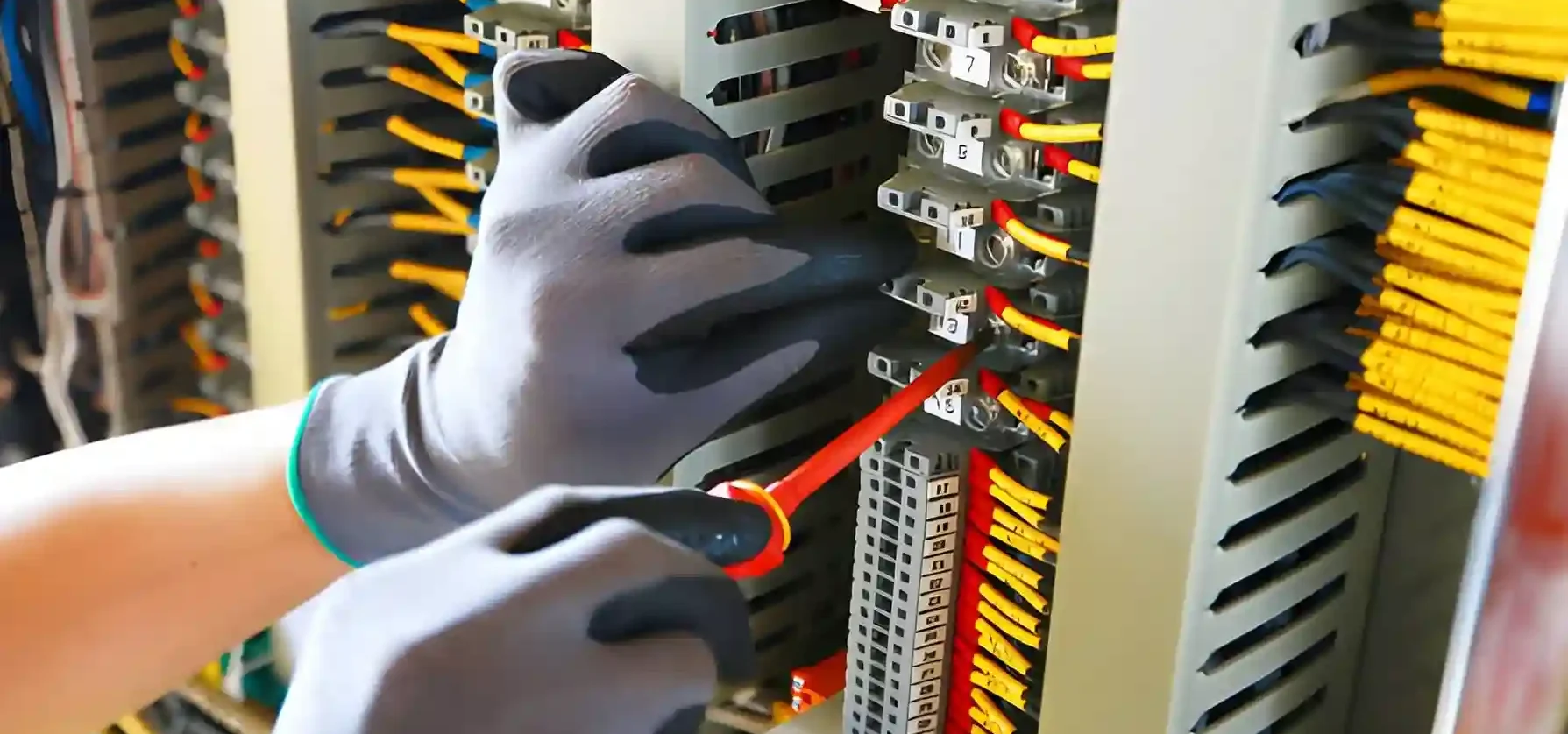
When an inspection identifies faults, timely remedial action becomes essential. Observation codes within an EICR London report clearly indicate which issues require immediate attention and which can be scheduled for improvement. High-risk findings may necessitate temporary isolation of circuits to protect occupants. Coordinating repairs with qualified contractors ensures that corrective work meets required standards and restores system safety. Documentation of completed repairs is equally important, as authorities and agents may request evidence before accepting a satisfactory outcome. Managing remedial work efficiently reduces downtime and prevents minor defects from escalating. Over time, properties that respond promptly to inspection findings experience fewer recurring issues and maintain stronger compliance records. A proactive response reinforces the effectiveness of the EICR London framework.
Long-Term Safety Advantages of Routine EICR London Reviews
Routine inspections form the backbone of sustainable electrical safety management. Regular EICR London reviews allow owners to adapt to changes caused by renovations, appliance upgrades, or increased occupancy. This ongoing process reduces emergency repairs and extends the lifespan of electrical systems. Tenants benefit from improved confidence in safety standards, while owners gain predictability in maintenance planning. Financially, early fault detection often lowers repair costs and limits disruption. Over time, routine compliance supports a culture of safety that benefits all stakeholders. Consistent EICR London reviews strengthen operational resilience and protect property value across the capital.
EICR London Considerations for Commercial and Mixed-Use Buildings
Commercial and mixed-use properties present additional challenges due to higher electrical loads and more complex distribution systems. Inspections must account for shared risers, multiple distribution boards, and varied occupancy patterns. EICR London assessments in these environments often require more detailed analysis to ensure protective coordination and load balance. Regular reviews reduce the risk of system overload and support continuity of operations. Clear documentation also assists insurers and regulators in evaluating compliance. Applying consistent inspection standards across all areas of a building ensures comprehensive protection and reduces the likelihood of overlooked risks.