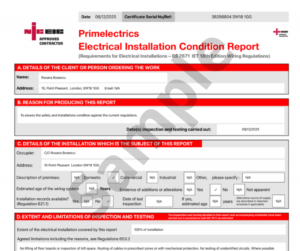

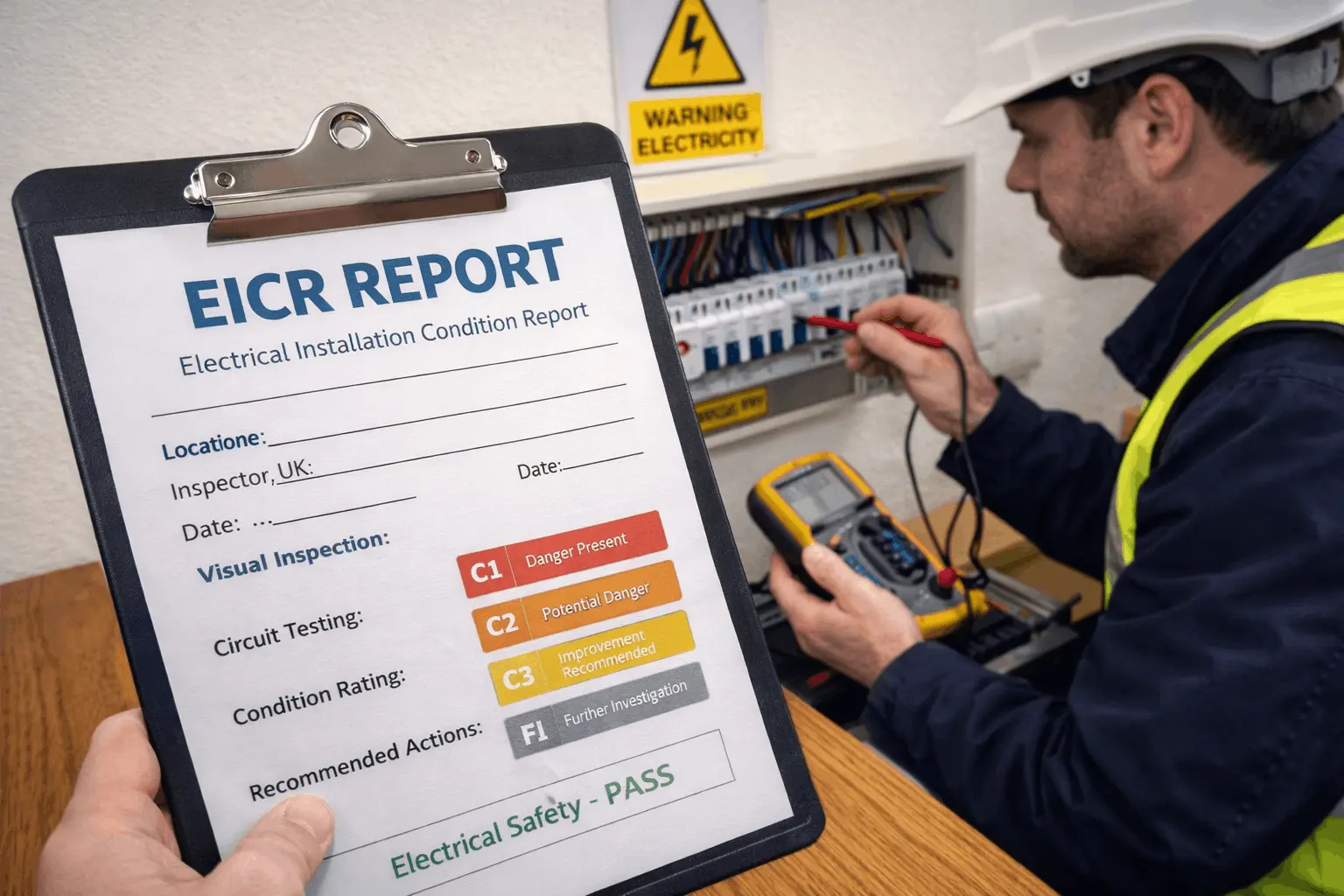
Building power systems rely on safe and steady electricity throughout the entire structure. A Commercial EICR Certificate plays a central role in maintaining that safety across different business locations.
Identifying Electrical Weak Points
Proper assessment identifies weak points in wires, sockets, and fuse boards. This check also supports the early correction of faults that may compromise how your power system performs.
Preventing Electrical Hazards
The inspection finds hidden issues that could cause sparks or fires in busy work zones. Reliable evaluation connects closely with safety testing, which confirms that everything works under pressure.
Ensuring Long-Term System Stability
Regular assessment improves confidence in your building’s safety and reduces the risk of sudden power failure. Electrical systems remain effective only when routine checks confirm they follow the required standards. Consistent monitoring also helps maintain long-term reliability in high-usage areas. Strong oversight ensures safety expectations stay aligned with legal rules across all commercial spaces.
Key Takeaways
- Safety performance depends on checking your electrics at regular times.
- Power systems must stay fully functional to limit the risk of electrical fires.
- Wear and tear affect the reliability of wires and sockets over the years.
- Small defects can develop into major safety issues if you ignore them.
- Routine assessment helps you follow the laws for business safety.
- Proper maintenance helps your electrical systems last much longer.
- Accurate record-keeping makes things easier during official inspections.
- Busy offices and shops often see their electrical parts wear out faster.
- Early repairs reduce the chance of a total power failure during work hours.
- Coordinated maintenance planning strengthens the protection of the whole building.
Where a Commercial EICR Certificate is Required in Different Building Types
Different business categories require structured safety measures for their power systems. A Commercial EICR Certificate supports these measures by finding wear and tear across multiple points.
Offices, Shops, and Shared Spaces
Office blocks, retail shops, and shared facilities all depend on safe electrical setups. This inspection plays a critical role in maintaining safety standards across regulated work environments.
Legal and Compliance Importance
Legal frameworks depend on verified condition checks and documented proof of safety. The certificate supports that requirement by confirming that the installed power systems are ready for daily use.
Preventing Risks Through Regular Checks
Finding faults early assists in preventing danger during a busy workday. Structural safety remains dependent on consistent review processes that check wire integrity, fuse board health, and earthing. Ongoing assessment strengthens your confidence and supports the renewal of your business insurance and licenses.
Commercial EICR Improves Overall Business Safety Performance
Controlled electrical flow relies on properly maintained power systems. A Commercial EICR Certificate ensures that these systems perform as intended, even when used heavily.
Load Handling and Electrical Strength
Building performance depends on strong connections, modern fuse boards, and reliable grounding. Testing confirms that every circuit can handle its load, while the inspection confirms the system is safe for employees to use.
Preventing Electrical Failures
Performance stays high when both evaluation and testing work together. Old wires, loose connections, and broken sockets can reduce safety if not detected early. Periodic assessments ensure that protection systems continue to function under multiple operating conditions.
Strengthening Building Safety
Robust control methods help maintain the health of your building and can reduce the spread of hazards throughout interconnected power lines.
Reasons Electrical Systems Fail to Meet Safety Standards
Mechanical wear and mistakes made during installation are the main reasons systems fail. Incorrect fitting of wires, damaged parts, and overloaded circuits often reduce how well the system works.
Hidden Electrical Weaknesses
A Commercial EICR Certificate also reveals protection gaps that affect how long your electrics will last. You can effectively improve building safety standards by ensuring the early discovery of electrical weaknesses.
Age and Damage Effects
Performance often drops because people neglect to check for old age or damage. Safety systems rely on repeated assessments to keep their resistance levels high.
Preventing Long-Term Failures
Overheated wires and broken insulation notably reduce how well a building stays safe. Continuous evaluation ensures that repairs stay timely and effective. Proper monitoring maintains the expectation of electrical protection in any business environment.
Preventing Power Faults and Hazards Through Proper Checks
Stopping sparks and heat is a primary job of a safe electrical system. A Commercial EICR Certificate ensures that your power setups remain effective under heavy load.
Role of Wiring and Protection Systems
Proper wiring and good protective devices limit the movement of dangerous currents. It also identifies failures that may allow the rapid spread of hazardous conditions like electrical fires.
Legal and Compliance Importance
The inspection plays a key role in legal processes that validate your building is ready for work. Your official standing depends on verified performance and documented proof.
Maintaining Safe Operations
Finding faults helps maintain safety standards across all parts of your shop or office. Electrical resistance relies heavily on intact wire covers and correct circuit alignment. Mechanical reliability ensures that safety switches trip fast if something goes wrong. Regular evaluation strengthens your building’s overall resilience and supports long-term safety goals.
Common Locations Where Defects Are Found
High-traffic zones often see faster wear on their electrical systems. Defects often appear in break rooms, server rooms, and shared entry routes where many people plug in devices.
Stress on Electrical Components
Frequent use increases stress on sockets, switches, and fuse boards. Regular assessment ensures that these areas stay safe and follow all rules.
Detecting Hidden Damage
A Commercial EICR Certificate also supports overall testing outcomes by confirming that installed systems stay strong even after years of use. Issues often grow near old fuse boxes, damp areas, and heavily used wall outlets.
Ensuring Long-Term Safety
Continuous tracking allows you to spot hidden damage that can reduce your building’s efficiency. The health of your power depends on fixing things during these regular checks. Safety stays strong when failures are quickly found and addressed with the right maintenance to keep every point of the building safe.
Conclusion
A Commercial EICR Certificate plays a vital role in maintaining safe work environments and strong electrical control across all business areas. This inspection helps detect faults in wires, boards, and sockets before they reduce performance or create a fire risk.
Supporting Legal Requirements
Regular review supports legal requirements and strengthens your overall safety standards. Additionally, the certificate improves long-term reliability by ensuring that your power systems are well-managed for critical business situations. Proper maintenance and fixing things on time help keep your building ready and reduce the risk of power cuts or shocks in all types of commercial buildings.