
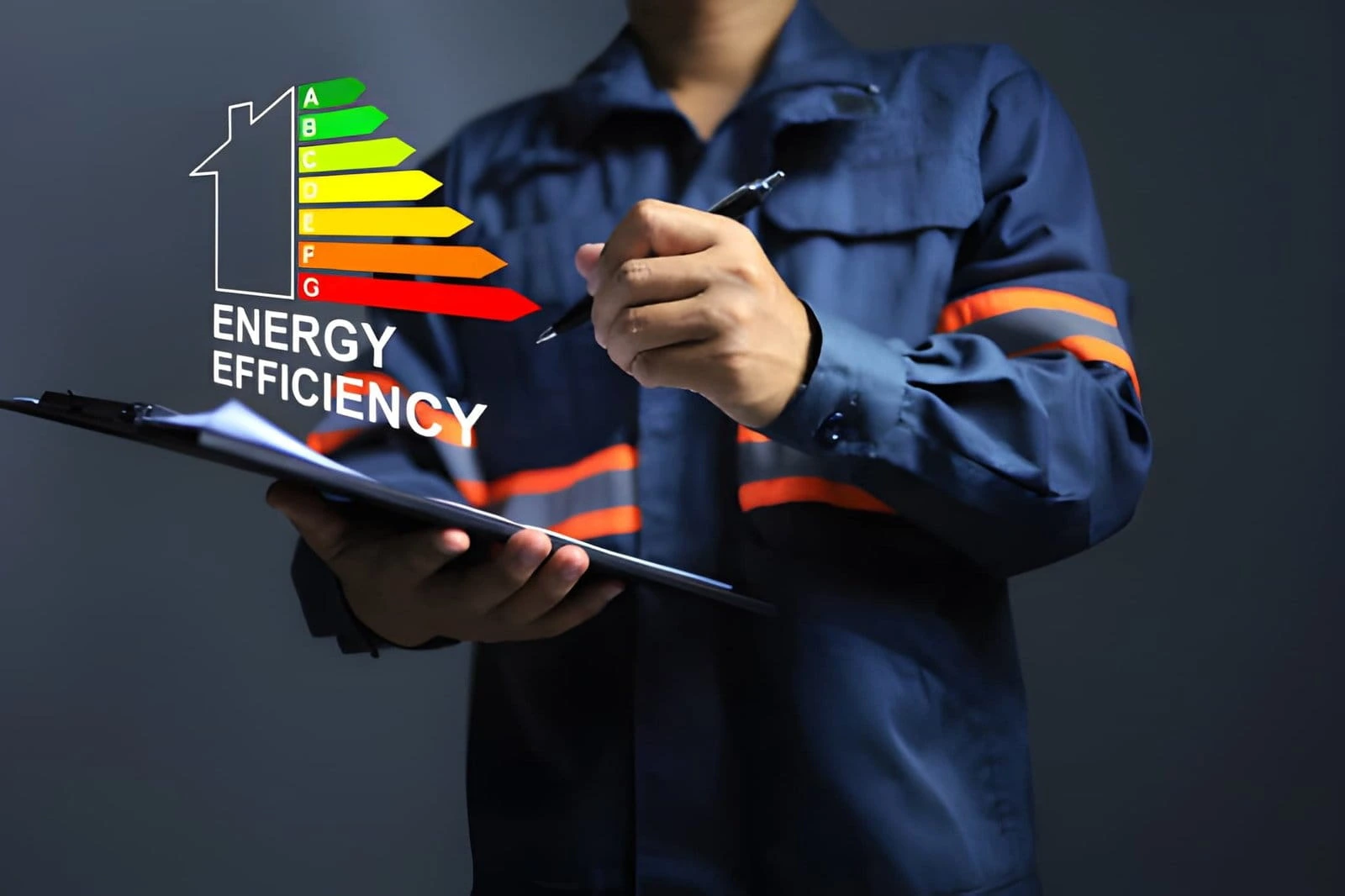
For every homeowner or store owner, maintaining electrical safety is a very critical task. People run machinery, remain warm, and turn lights on everyday using power. Most of the wires stay hidden behind the walls though. This implies that issues might arise undetected. If no one examines these errors in time, they might turn deadly. Therefore, an EICR Safety Inspection is very important for maintaining building safety.
An EICR Safety Inspection finds issues early on. It guarantees the proper function of the power grid. It also guarantees that the construction adheres to current safety standards. This handbook provides a very straightforward and clear explanation of the whole route. This clarifies every stage for everyone and enables them to joyfully follow it.
What Is an EICR Safety Inspection?
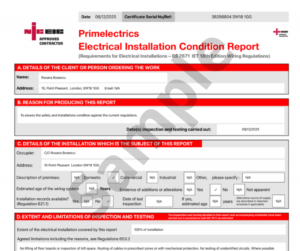
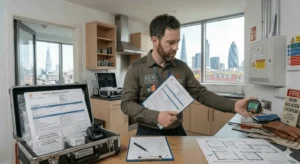
An EICR Safety Inspection is a short name for an Electrical Installation Condition Report. It is a very deep look at the power system inside a building. A trained expert called an electrician performs this check. They use special tools and smart ways to look at the wires.
The main goal of this check is to prove that the system is safe for people to use. The electrician checks all the big parts. They look at the wires, the plugs on the walls, and the paths the power takes. At the end of the day, the expert gives you a paper called a report. This report explains the health of the system. It also points out any risks that need a fix.
Why an EICR Safety Inspection Matters
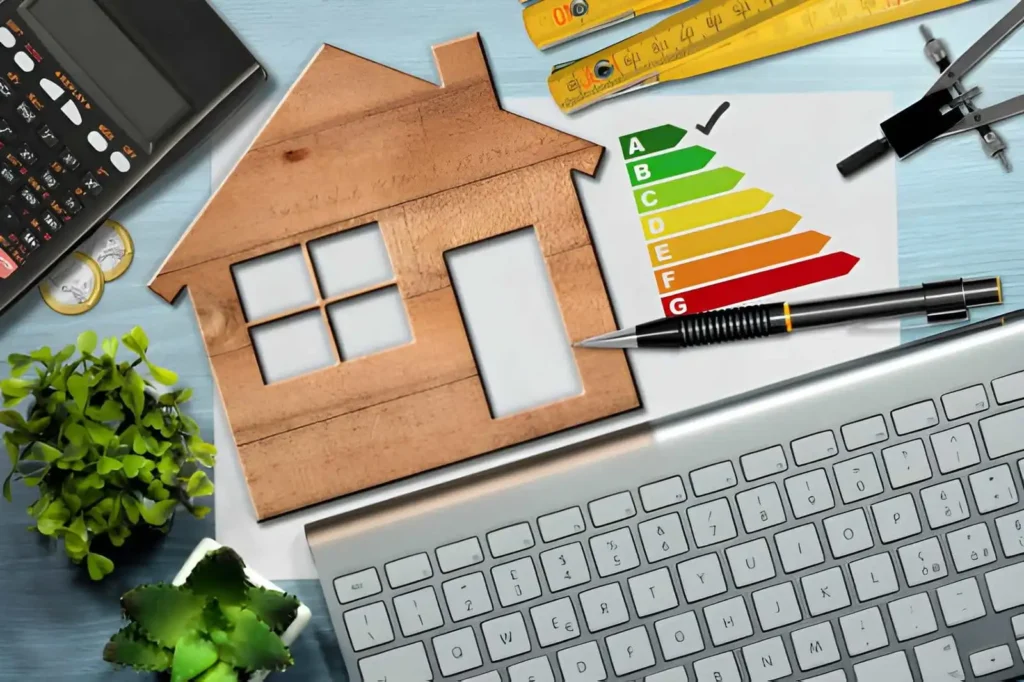
An EICR Safety Inspection is important because it protects people and their homes. Broken wires can give a person a shock. They can also start a fire. This inspection helps stop these dangers by finding the problems early.
It also helps owners follow the rules of the law. People who rent out homes must prove the building is safe. This inspection provides that proof. Also, finding a small problem early helps you save money. Small fixes are cheaper than big ones. Insurance companies also like to see these safety checks. A good report helps you if you ever need to ask them for help.
Step 1: Booking a Qualified Electrician
The first step in the EICR Safety Inspection path is to hire a good electrician. You must pick someone who has the right training and a lot of practice. A smart electrician knows the safety rules. They know how to check the wires in the correct way.
Before you pick someone, you should check their official papers. You should also make sure they follow the right safety steps. A good expert will give you the right answers and helpful advice.
Step 2: Preparing the Property
Good planning makes the EICR Safety Inspection move fast and stay simple. You must make sure the expert can reach every part of the power system. The electrician needs to get to the plugs, the switches, and the fuse box without any trouble.
You should also tell the people in the building about the check. If you have any old safety papers, you should have them ready to show. Good planning helps the electrician finish the job without any delay. It also ensures they see every part of the system.
Step 3: Visual Examination
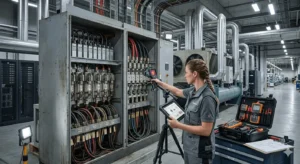
The check starts with a visual look. The electrician looks at all the parts they can see with their eyes. This includes the plugs, the light switches, and any wires that are not behind walls.
During this step, the expert looks for signs of wear or broken parts. They look for gear that is too old. This simple check finds the easy problems before the expert starts the deep tests.
Step 4: Dead Testing
After the eye check, the electrician does “dead testing.” In this step, the expert turns off the main power switch. This makes it safe for them to touch the wires.
The electrician checks the wire ends and the covers that protect them. They also make sure the system has a safe path to the ground. This step ensures the system stays safe even when no power is moving through it.
Step 5: Live Testing
Once the dead testing is over, the electrician turns the power back on. Now they do “live testing.” This step shows how the system acts when you are using your lights and tools.
The electrician tests the power levels. They make sure the safety tools can turn the power off fast if a fault happens. This step proves that the power moves safely through the whole building.
Step 6: Identifying Faults and Risks
During the EICR Safety Inspection, the electrician finds every fault or risk. These problems might be wires that are too full or cables that are broken. They might also find loose screws or a gear that is very old.
The expert looks at each problem and writes it down. They mark how serious each one is. This helps the owner know what they must fix right away and what can wait until later.
Step 7: Assigning Safety Codes
After the check, the electrician gives a special code to each problem. These codes explain the danger simply.
- C1 Code: This means there is a big danger right now. You must fix it immediately.
- C2 Code: This shows a serious problem that could become a danger soon.
- C3 Code: This is a suggestion to make the system better. It is not a rush.
- FI Code: This means the expert needs to look closer to find the answer.
To pass the EICR Safety Inspection, the system must not have any C1 or C2 problems.
Step 8: Receiving the Report
At the end of the check, the electrician gives you a big report. This paper has all the answers and the final score.
The report says if the system is “Satisfactory” or “Unsatisfactory.” It is your official proof of how safe the wires are. You should keep this paper in a safe spot for the future.
Step 9: Carrying Out Repairs
If the report shows problems, you must act fast. Making repairs is a very important part of the EICR Safety Inspection path.
You should fix the C1 and C2 problems first. They are the most dangerous. A good electrician should do all the repair work. After they finish, you may get a new paper that shows the building is now safe.
Step 10: Maintaining Ongoing Safety
An EICR Safety Inspection is not a job you do only once. You must look after your system all the time.
You should plan for new checks based on your building type. Regular checks find new problems as the wires get older. You should also avoid plugging too many things into one spot. These simple steps help keep everyone safe.
How Often Should You Conduct an EICR Safety Inspection?
How often you do an EICR Safety Inspection depends on the building. Rental homes usually need a check every five years. People who live in their own homes should get one every ten years. Shops and offices often follow a five-year plan.
Regular checks ensure the wires stay safe over many years. It also makes sure the building stays up to date with the newest safety rules.
Benefits of Following the Full Process
Following every step of the EICR Safety Inspection path gives you many good things. It prevents fires and shocks, therefore improving building safety. It also makes certain you obey the law, therefore avoiding trouble.
Early discovery of issues will also save you money. Above all, it soothes and relaxes you. You can have confidence that your property is a secure place for every occupant.
Conclusion
An EICR Safety Inspection is a vital path that protects lives and homes. It gives you a clear look at your wires and shows you what needs fixing.
By following each step, you make sure your building is safe and strong. You should not wait for a problem to become big. Instead, you should act early and book an EICR Safety Inspection today.