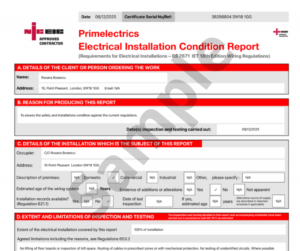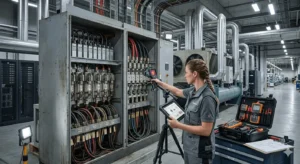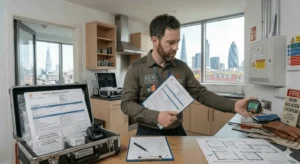

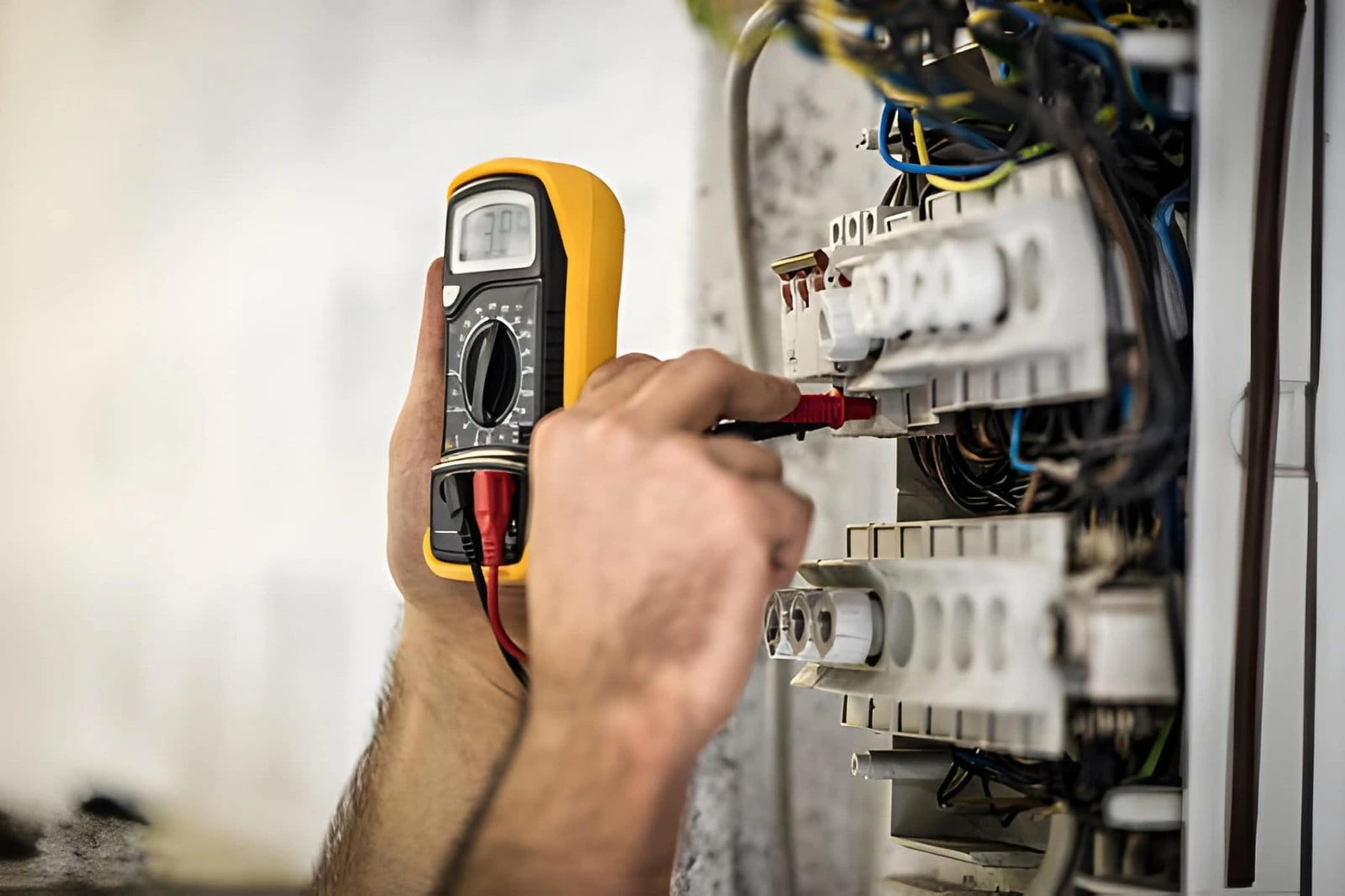
An Electrical Safety Compliance plan is incomplete without a valid Electrical Installation Condition Report (EICR). This official document proves that your property’s fixed wiring, sockets, and fuse boxes are safe for tenants. Since 2021, these checks have been a legal requirement for all tenancies in England.
Failing to keep up with these inspections can lead to massive fines and put your residents at risk. Finding electrical faults early through an EICR allows for preventing fires and shocks from occurring. This report identifies hidden dangers like old wiring or overloaded circuits that a simple visual check might miss. Following the steps in the report ensures you are meeting your duties as a landlord and keeping your investment secure. Taking action on the findings keeps humans secure and decreases the chance of costly emergency repairs later.
Key Takeaways
- Renew your EICR every five years or sooner if the report specifies a shorter gap.
- Provide a copy to new tenants before they move into the property.
- Give existing tenants the report within 28 days of the inspection being completed.
- Complete remedial works within 28 days if the report finds any “Unsatisfactory” faults.
- Hire only qualified engineers who are registered with schemes like NICEIC or NAPIT.
- Keep your records organised so you can show them to the local council within seven days if asked.
- Check for C1 and C2 codes which mean the installation is dangerous and needs a quick fix.
- Notify tenants in advance before an engineer arrives to test the wiring.
- Stay updated on new rules as social housing regulations are also changing in 2026.
- Protect your insurance by ensuring all safety certificates are valid and up to date.
Why an EICR is Essential for Landlord Compliance
Maintaining Electrical Safety Compliance through an EICR helps keep people and buildings safe. It finds places where power dangers exist and checks if current safety switches are working correctly. Inspections show weak spots in the wiring, old fuse boards, and signs of wear and tear. The process also helps you follow the law and avoid fines of up to £30,000. It finds dangers that may have been missed during routine visits, such as loose wires behind walls.
It also helps your tenants feel safe knowing the electricity is managed by a professional. The EICR checks that the earthing and bonding systems are in place to prevent shocks. The written records give a clear plan for fixing problems before they become a crisis. Reviewing these reports often keeps the property safe from electrical accidents.
Understanding the Codes and Necessary Repairs
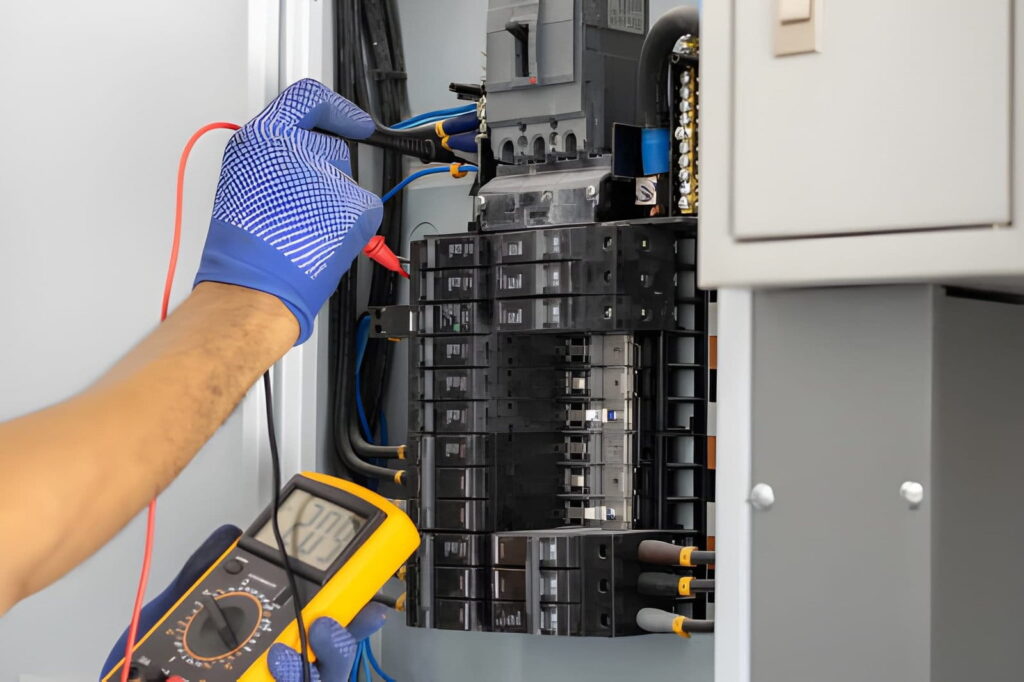
A good inspection assigns codes to any problems found in the property. A C1 code means there is an immediate danger, and the engineer must act fast to make it safe. A C2 code means a potential danger exists that requires urgent attention. Both of these results mean the report is “Unsatisfactory.” You must fix these issues within 28 days to stay legal. A C3 code is a recommendation for improvement but does not mean the property is unsafe. Checking Electrical Safety Compliance for shared houses (HMOs) or flats makes sure all spaces meet the 18th Edition of the Wiring Regulations. Regular checks find old sockets that could overheat if used too much. Inspectors write down exactly what is wrong and how to fix it. This helps you plan your maintenance budget and keep the building in top shape.
Recording Your Compliance for Legal Protection
Writing results in a simple Electrical Safety Compliance report makes it easy to prove you are following the law. The report lists every circuit tested and explains the condition of the light fittings and switches. If you have done repairs, you should also keep the Minor Electrical Installation Works Certificate or the Electrical Installation Certificate as proof. Keeping these findings organised helps you defend yourself if there is ever a dispute or a fire.
The report is a vital piece of paperwork when you want to sell the property or renew your insurance. It also shows that you are a responsible landlord who cares about safety. The written records help with future inspections because the next engineer can see the history of the wiring. Keeping a full history of your EICRs shows that the building is being managed with care.
Creating a Routine for Electrical Safety Maintenance
A regular safety plan helps you stay ahead of the five-year deadline. This plan should include visual checks between tenancies to look for cracked sockets or flickering lights. Each person in your management team should know when the next EICR is due, so you don’t miss the date. Practice shows that booking your engineer a few months early avoids the stress of a last-minute rush.
Suggestions from your Electrical Safety Compliance documents assist in determining if you need to upgrade your fuse box to a modern RCD-protected version. Checking that all appliances you provide (like fridges or cookers) are also safe adds another layer of protection. The plan specialises in preventing troubles before they happen. Regular maintenance keeps the building secure over the years and protects your tenants from harm.
Staying Aligned with Changing Housing Laws
Meeting Electrical Safety Compliance means staying aware of how laws change over time. For example, in 2026, many older EICRs from the 2021 rollout will be expiring and need renewal. Regular inspections ensure that your safety steps are still working as they should. Checking for changes in the building, such as new extensions or extra sockets, allows for the discovery of new risks.
Keeping your tools and wiring maintained ensures that the lights and heating stay running for your tenants. Updated records assist during official checks and show that you are a compliant landlord. Tenants stay informed when you share the results of the safety reports with them. Acting on the advice from your engineer makes the building a better place to live. Reviewing your safety steps often makes sure they follow the latest British Standards.
Conclusion
Electrical Safety Compliance is a core part of being a successful landlord. Writing down dangers and fixing weak spots keeps your tenants and your property safe from harm. Regular EICR checks find broken tools, faulty wiring, and other hidden problems that could cause a fire. Acting on the engineer’s suggestions makes the property more ready for any situation. A clear plan makes sure everyone knows the electrics are safe and the building is legal.
Checking often keeps you in line with the latest safety rules and protects you from heavy fines. A well-kept EICR report shows that you take your responsibilities seriously in all areas. Doing a full assessment every five years lowers the chance of accidents and keeps people safe. Good records help you make smart decisions about your property. Following the report makes sure every step helps keep the building safe for everyone.