
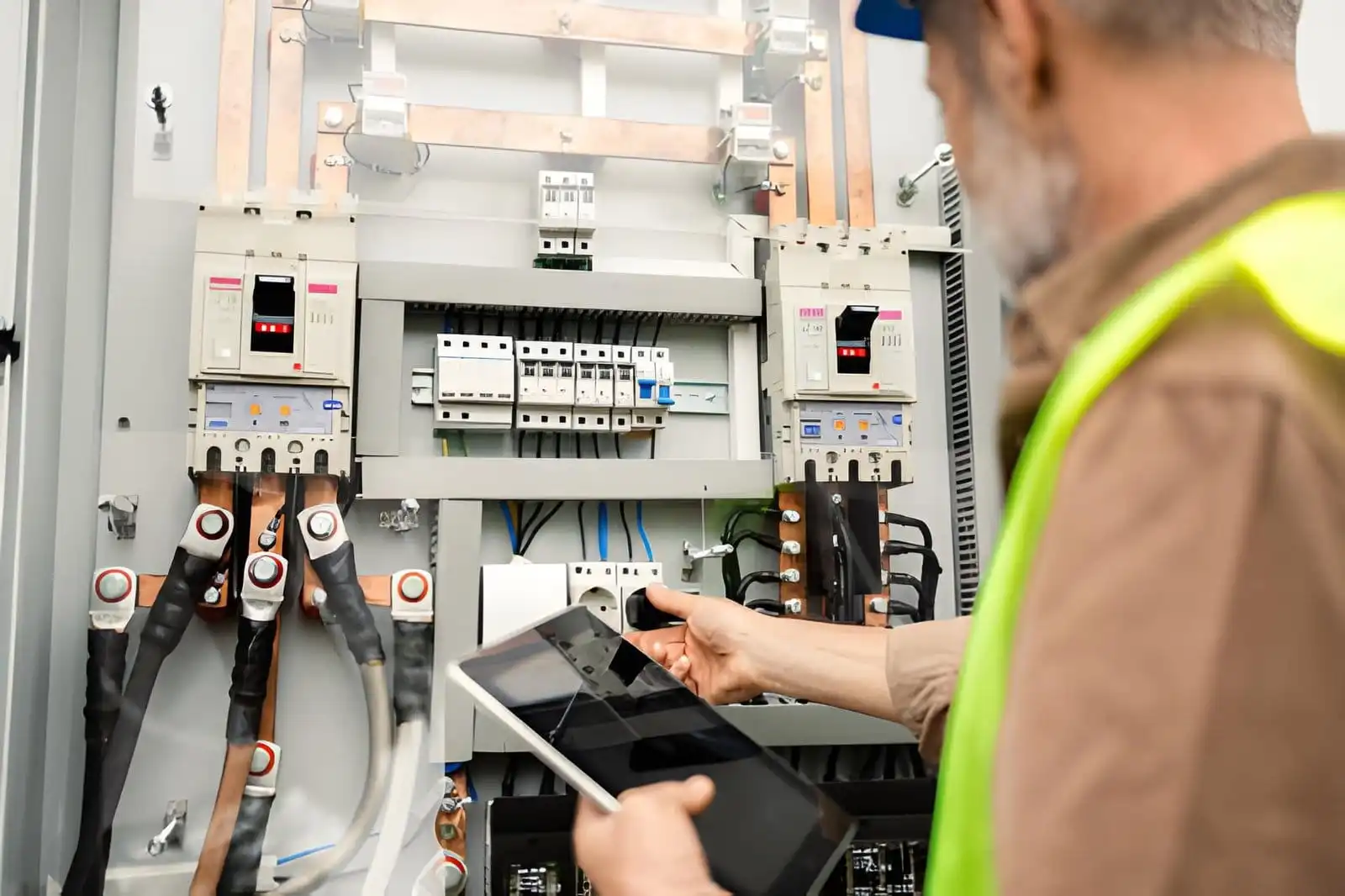
An Electrical Safety Compliance plan helps us find risks in a building’s power systems before a fire or shock begins. Finding troubles early allows for preventing electrical accidents from occurring. This process covers things that can spark or overheat and checks that humans are protected from faulty wiring. It additionally checks fuse boxes, sockets, and shared areas to locate hidden dangers like loose connections or old cables.
Looking at how many human beings use the building and the appliances they plug in also helps find troubles. This review gives easy and beneficial steps to fix risks. The process additionally keeps a written record of what was checked. This allows engineers to know what to do if there is an emergency or a repair needed. Checking the document often allows one to locate new dangers as they arise. Taking action on the record keeps humans secure and decreases damage to the property. Building owners feel better understanding that electrical risks have been found and addressed.
Why Maintaining Electrical Safety Compliance is Crucial
Maintaining Electrical Safety Compliance helps keep people and buildings safe. It finds places where power dangers exist and checks if current safety steps are working. Inspections show weak spots in buildings, old wiring systems, and how devices are plugged in. The process also helps you follow safety laws and rules.
It finds dangers that may have been missed in shared spaces and homes, such as scorched outlets or flickering lights. It also helps people in the building learn how to stay safe around electricity. The electrical safety inspection checks that circuit breakers and grounding tools are working. The written records give a clear plan for fixing problems. Checking the building often lowers the chance of accidents like shocks or fires. The report also helps plan safety steps for the future. Reviewing safety steps often keeps the building safe from electrical failure.
Checking Protection Gear and Main Power Controls
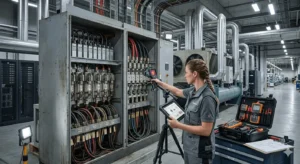
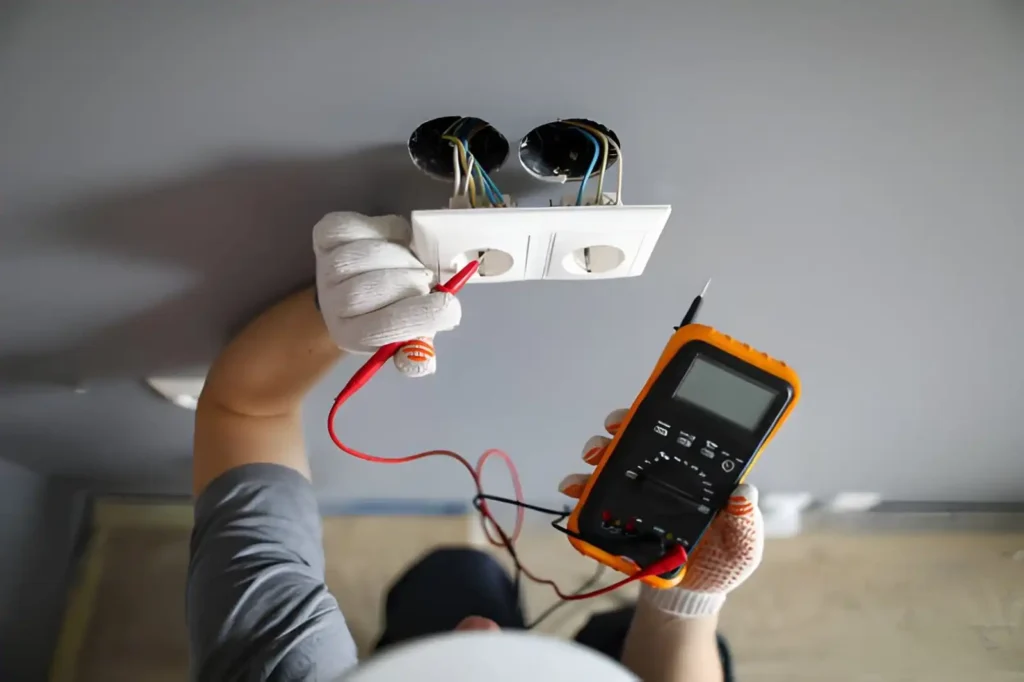
A good inspection checks safety tools and the main power switches. Checking Electrical Safety Compliance for flats and shared areas makes sure all spaces are safe. Regular checks find old or broken sockets that need to be replaced. Inspectors write down where all safety tools are and what shape they are in.
This helps make decisions about buying new equipment or making changes. The inspection also helps people in the building know how to act fast if there is a power fault. Checking everything often makes sure all protection tools work when they are needed most.
Recording Findings in a Clear and Actionable Report
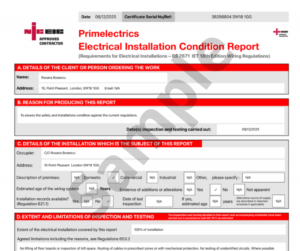
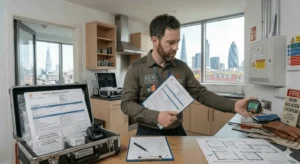
Writing results in a simple Electrical Safety Compliance report makes it easy to know what steps to take. The report lists dangers clearly and explains what could happen if a wire shorts out or a circuit overloads. Inspection results show weak spots like loose wiring or old fuse boards. Each part of the report gives clear steps to fix problems and make the building safer. Writing findings in a simple way helps people decide which problems to fix first.
The report is updated when the building changes or new appliances are added. It also shows that safety rules have been followed. The written records help with future electrical safety inspections and maintenance. Keeping a full report shows that the building is being taken care of properly. A clear report also makes it easy for safety teams and managers to talk to each other about repairs.
Creating a Safety Action Plan to Reduce Power Risks
An electrical safety risk assessment helps create an awesome plan to keep people safe. This plan lists steps to prevent electrical fires and what to do if a fault starts. The plan is updated while the construction or the variety of human beings using the power changes. Suggestions from the Electrical Safety Compliance document assist in determining if new safety equipment, like RCDs, is needed.
Checking safety signs, wiring paths, and alarms makes the building better prepared for emergencies. The plan specialises in preventing troubles before they appear. Regular maintenance and inspections keep the building secure over the years. Good planning lowers the risk of injuries and reduces damage. A clear plan indicates that the building takes protection seriously.
Ensuring Continuous Alignment with Safety Standards
Meeting the Electrical Safety Compliance method means checking the construction regularly and making adjustments as needed. Regular electrical hazard evaluation inspections ensure that positive protection steps are still working. Checking for modifications in the number of human beings using the building or how many heavy machines are plugged in allows for the discovery of new dangers. Keeping tools maintained and examined ensures breakers, sockets, and lighting are running. Updated records assist for the duration of official tests and display that guidelines are being followed. People in the building stay informed through regular training and safety talks. Acting on suggestions from past inspections makes the building safer.
Conclusion
Electrical Safety Compliance is the basis of good property management. Writing down dangers and fixing weak spots keeps people and buildings safe. Regular inspections find broken tools, overloaded circuits, and other wiring problems. Good records help managers and safety teams make smart decisions about their properties. Following the report makes sure every step helps keep the building safe. Taking action early on electrical safety builds a safer place for everyone.