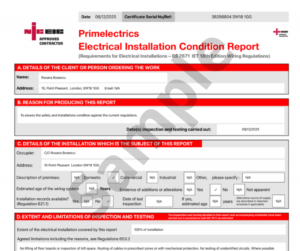

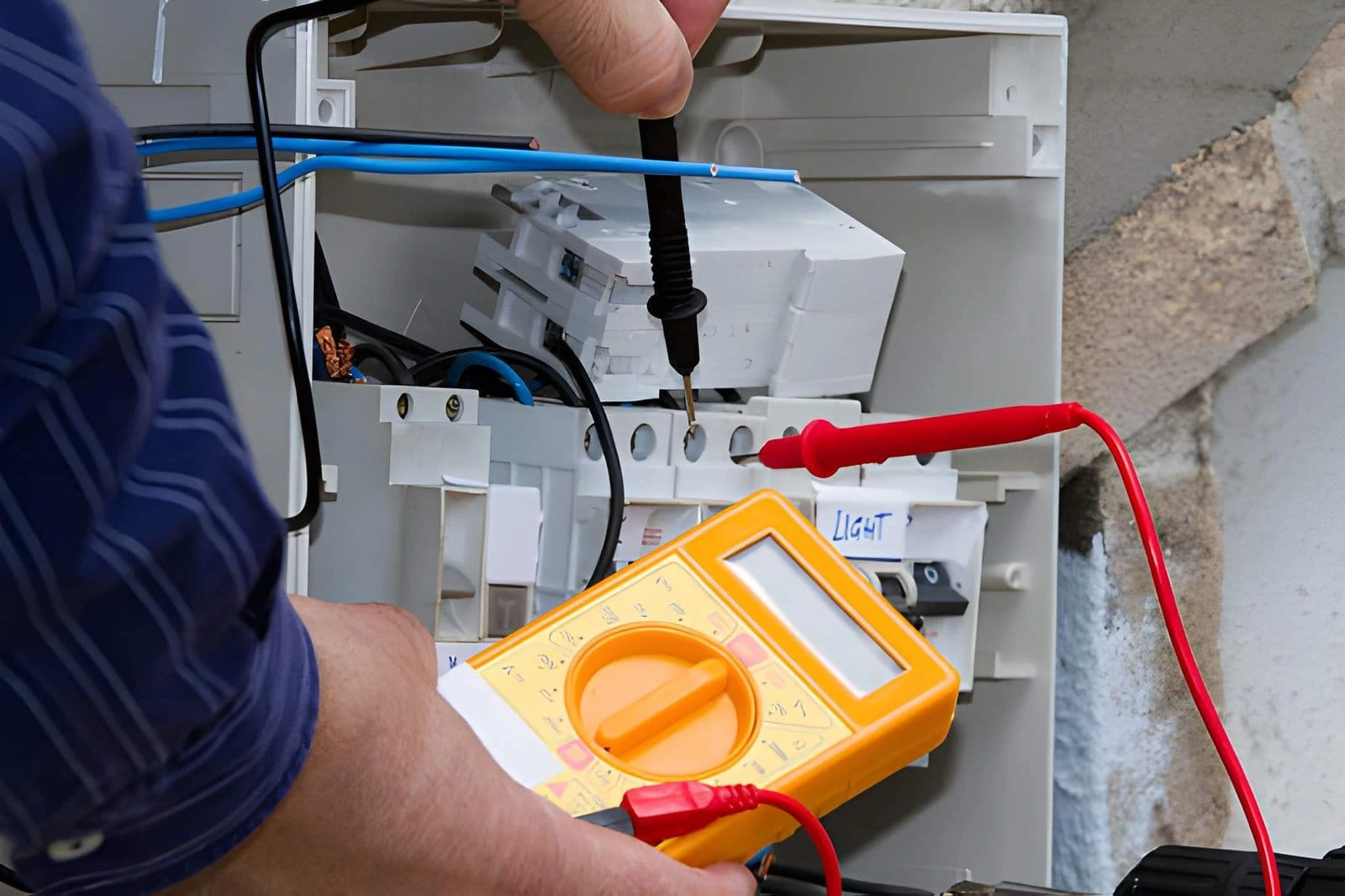
If you own a home or run a business, you know how much work goes into keeping things running. One big thing that often gets missed is what’s happening behind your walls. Getting an EICR London check is the best way to make sure your wires and sockets are actually safe. It is basically a clear report that shows if your electrical parts are in good shape or if they are getting a bit old and dangerous. In a busy place like London, buildings get a lot of use, and wires can wear out faster than you might think. This report finds broken parts and bad connections before they turn into a big fire or a shock. Keeping your papers up to date helps you follow the law and makes sure everyone inside feels totally safe.
Who Should Carry Out Your EICR London Check
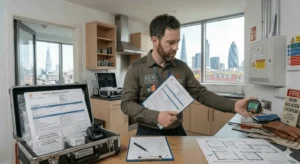
You should only ever let a registered pro handle your EICR London inspection. These experts have special certificates that prove they know exactly how to test electrical systems without making a mess. They follow very strict rules to find hidden dangers and give you honest advice on what to do next. When you use a trained team, your report will be accepted by insurance companies and local officials. These workers have the right tools to find tiny problems that a normal look would miss completely. Using a certified team stops you from getting a wrong report and lowers the chance of an accident happening at your property.
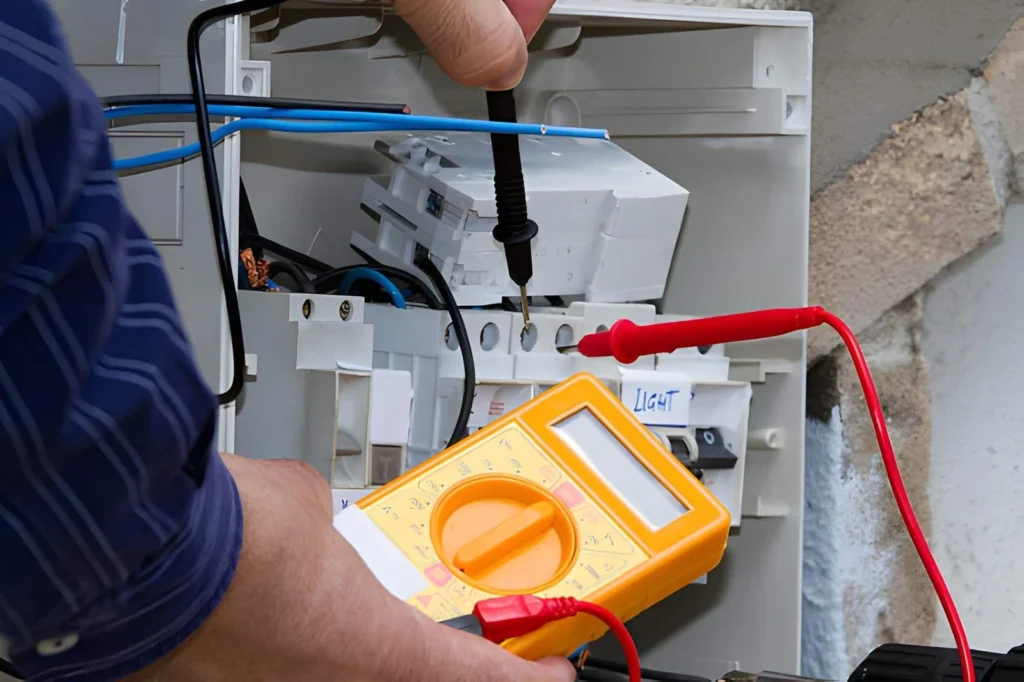
Key Things Checked in Your Electrical Report
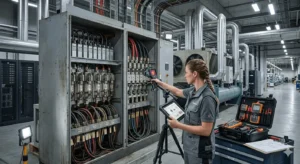
An EICR London check looks at almost every part of your electrical system. It spends a lot of time on the wires to see if they are damaged or just too old to work properly. Safety parts like your fuses and circuit breakers get tested to make sure they will actually trip if there is a problem. The main electrical box is also checked to see if all the connections are tight and dry. Sockets and light switches are looked at for loose parts or signs that they are getting too hot when you use them. The team also tests your earthing and bonding, which helps electricity go away safely if a fault happens. Any quick fixes or bad repairs from the past will be written down so you can fix them properly.
How Often You Need an EICR London Inspection
How often you need a new EICR London report depends on what kind of building you have. Places with a lot of people moving in and out usually need a check more often because they use a lot more electricity every day. For most rental homes, a check every five years is the normal rule to stay safe and follow the law. If you notice things like flickering lights or a weird burning smell, you should get a new check done right away. Older systems might also need a look more often as the parts start to wear out. Having a regular plan for these checks means you won’t get any nasty surprises that cost a lot of money to fix later on.
Common Problems Found During Inspections
During an EICR London visit, pros often find simple things that could become big risks. Loose wires are a huge issue because they can get very hot and start a fire behind your walls. Broken covering on wires is also common, and it can let electricity touch things it shouldn’t, which leads to shocks. Sometimes people plug too many things into one circuit, which makes the safety parts fail. Water getting into electrical boxes or rust on the wires can also cause a lot of damage over time. Your report will find these risks and tell you exactly what to fix. Fixing these small things quickly stops them from getting much worse and keeps your building running smoothly.
Conclusion
Getting an EICR London report gives you a lot of confidence that your property is safe and follows all the safety rules. Regular checks from experts help you find dangers early, stay on the right side of the law, and protect your home and the people inside. If you follow the advice in your report, your electrical system will work much better and last longer. Using a trusted service for your testing ensures you get a correct check and clear advice. Taking care of your electrical safety today is the smartest way to keep your property and your things safe for years to come.